What to Pack for an Unforgettable Indonesia Dive Trip Adventure
Preparing for an Indonesia dive trip demands careful consideration, given the archipelago’s vastness and diverse conditions. Indonesia encompasses over 17,500 islands, offering dive experiences from beginner-friendly reefs to challenging currents for advanced divers. In 2026, foreign tourists from markets like Australia and the United States continue to prioritize marine biodiversity and clear logistics when booking. According to the Ministry of Tourism and Creative Economy, Indonesia welcomed over 10.4 million foreign visitors in 2023, with marine tourism being a significant draw. Understanding specific gear and documentation requirements ensures a smooth adventure, whether you are planning a liveaboard in Raja Ampat or a resort stay in Bali.
Essential Dive Gear: Your Personal Setup
Selecting the right personal dive gear is fundamental for comfort and safety during an Indonesia dive trip. A well-fitting mask and comfortable fins are paramount; consider split fins for efficiency in mild currents or paddle fins for stronger propulsion. Wetsuit thickness varies by region and personal preference; while many areas like Raja Ampat maintain water temperatures between 28-30°C year-round, locations such as Komodo National Park can experience thermoclines dropping to 24-26°C, making a 3mm or even 5mm wetsuit suitable for longer dives. Dive computers are mandatory for safety and monitoring no-decompression limits, especially on itineraries involving multiple daily dives over 7-10 days. Renting basic gear is an option, particularly for entry-level trips priced from USD 1,200, but personal equipment often enhances the experience.
Clothing and Comfort: Onboard and Ashore
Packing appropriate clothing is crucial for both liveaboard and resort-based Indonesia dive trips. Quick-drying, lightweight fabrics are ideal for the tropical climate, where daily temperatures often exceed 30°C with high humidity. For liveaboards, especially those covering destinations like Komodo for 6-10 nights, space is often limited, so focus on versatility. Include several swimsuits, a rash guard for sun protection during surface intervals, and casual wear for evenings. A light jacket or long-sleeved shirt can be useful for air-conditioned cabins or cooler evenings at sea. Consider a wide-brimmed hat and polarized sunglasses to protect against intense equatorial sunlight, particularly for trips in July or December when visitor numbers peak.
Health and Safety Considerations
Prioritizing health and safety items ensures preparedness for various scenarios on your Indonesia dive trip. A comprehensive first-aid kit should include antiseptic wipes, band-aids, pain relievers, and any personal prescription medications. Reef-safe sunscreen is essential to protect both your skin and Indonesia’s delicate coral ecosystems; many marine parks, including those around Nusa Penida, advocate for its use. Insect repellent with DEET or picaridin is advisable, especially when visiting land-based sites or staying at resorts near forested areas. Divers should also carry appropriate travel insurance that covers diving-related incidents, as medical facilities can be remote in areas like the Banda Sea. Confirming emergency contact information and local medical resources is a practical step.
Photography and Electronics
Documenting your underwater experiences in Indonesia requires specific electronic gear and accessories. Whether you use an action camera like a GoPro, a compact setup, or a full mirrorless system, ensure you have adequate housing, spare batteries, and memory cards. Many liveaboards, particularly those in the USD 2,200-4,500 mid-range or luxury USD 5,000-12,000+ segments, offer dedicated camera stations with charging points. Consider a power bank for charging devices during transit or in areas with limited electricity. An international power adapter is necessary for Type C/F sockets (common for European and US travelers). For wildlife-focused trips, such as those targeting manta rays in Nusa Penida or specific macro subjects in Lembeh, a suitable lens or wide-angle port is advisable.
Essential Documents and Finances
Proper documentation and financial planning are non-negotiable for any international Indonesia dive trip. Ensure your passport is valid for at least six months beyond your intended departure date and has sufficient blank pages for stamps. Check visa requirements for your nationality well in advance; many visitors receive a Visa On Arrival. Carry copies of your passport, dive certification cards (PADI, SSI, etc.), travel insurance policy, and flight/liveaboard confirmations. For finances, a mix of cash (Indonesian Rupiah for small purchases) and credit/debit cards is recommended. Be aware that park fees for destinations like Raja Ampat can be significant, often USD 100-200, and are usually paid in local currency or USD. Confirm these costs with your operator prior to your 2026 trip.
Sustainable Travel Practices and Local Etiquette
Adopting sustainable practices and respecting local culture enhances your Indonesia dive trip and supports conservation efforts.
- **Reusable Water Bottle:** Reduces plastic waste in an archipelago facing significant marine pollution challenges.
- **Reef Hook:** Used responsibly, it prevents contact with delicate corals in strong currents, particularly in advanced dive sites.
- **Sarong or Light Scarf:** Useful for covering up when visiting local villages or temples, respecting cultural norms.
- **Biodegradable Toiletries:** Minimizes environmental impact, especially on liveaboards.
- **Small Dry Bag:** Protects electronics and valuables from spray or rain on boats.
- **Personal Medications:** Ensure you have enough for the entire trip, including any over-the-counter necessities.
- **Motion Sickness Medication:** Essential for liveaboard guests, particularly on longer open-water crossings in the Banda Sea.
- **Logbook:** To record your dives and maintain an accurate history of your underwater experiences.
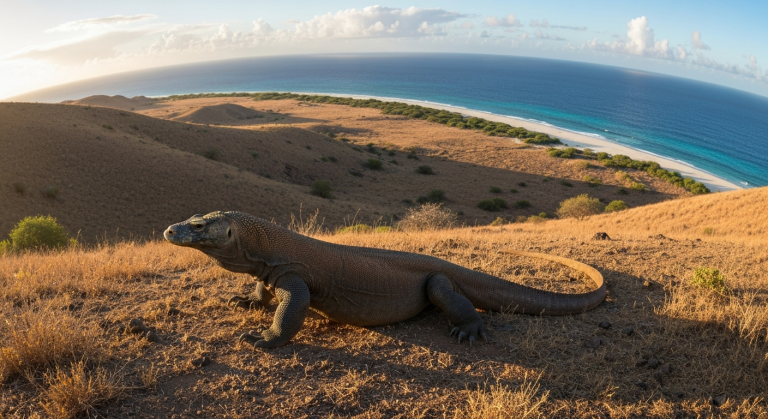
Familiarize yourself with local customs; for instance, dress modestly when ashore in conservative areas. Indonesia is a signatory to the UNESCO World Heritage Convention, with sites like Komodo National Park recognized for their outstanding universal value, underscoring the importance of responsible tourism. For more information on responsible travel, consult indonesia.travel.
Preparing for Your Unforgettable Dive Adventure
Careful preparation for your Indonesia dive trip ensures a smooth and memorable experience. Understanding the nuances of packing, from essential gear to crucial documents, allows you to focus on the spectacular marine life. Whether you are planning a multi-day Komodo dive trip liveaboard or a Bali dive trip package, considering the logistical and environmental factors will enhance your adventure. Always confirm specific requirements with your chosen operator, such as those listed on our Liveaboards page. For any questions regarding itineraries or what to expect, refer to our Contact Us page for direct assistance. Your next underwater exploration of Indonesia awaits.