Liveaboard or Resort? Deciding Your Ideal Indonesia Dive Trip Style
Planning an Indonesia dive trip for 2026 involves a fundamental decision: liveaboard vessel or land-based resort? This choice significantly impacts your access to dive sites, daily schedule, and overall budget. Demand for Indonesia’s diverse marine environments continues to rise, with destinations like Raja Ampat expecting over 1,000 liveaboard departures annually and Komodo National Park seeing strong interest for multi-day boat itineraries from international visitors, particularly from the US and Australia. For instance, a mid-range Komodo liveaboard often costs between USD 2,200 and USD 4,500 per person for 6-10 nights, as reported by industry analysis for 2026 bookings.
Accessing Dive Sites: Remote vs. Established Locations
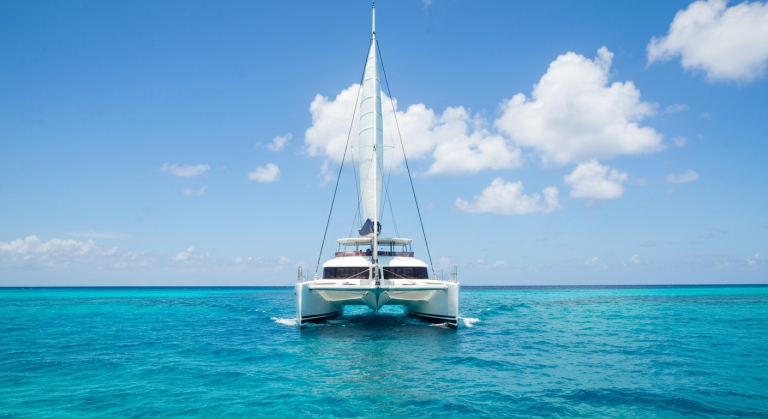
Liveaboards offer unparalleled access to remote and often pristine dive sites, typically inaccessible to day boats from resorts. Vessels operating an Raja Ampat dive trip 2026, for example, can spend a week or more exploring distant reefs, covering hundreds of nautical miles. This format is ideal for divers prioritizing untouched ecosystems and less crowded conditions, reaching areas like the Banda Sea’s hammerhead aggregations or the far-flung atolls of Cenderawasih Bay. These itineraries often involve complex domestic flight routes and transfers, which are typically managed by the liveaboard operator.
Resorts, conversely, provide a base for exploring sites within a practical day-trip radius. Destinations like Bali or Nusa Penida offer excellent diving, including Nusa Penida dive trip manta rays encounters and Mola Mola sightings during the July to October season. A typical Bali dive trip package 2026 might include 4-6 nights and cost USD 1,200–2,000, focusing on specific regions like Tulamben or Padang Bai. Resorts are suited for divers who prefer returning to a land-based room each evening and wish to combine diving with other activities.
Comfort and Amenities: Floating Hotel vs. Land Base
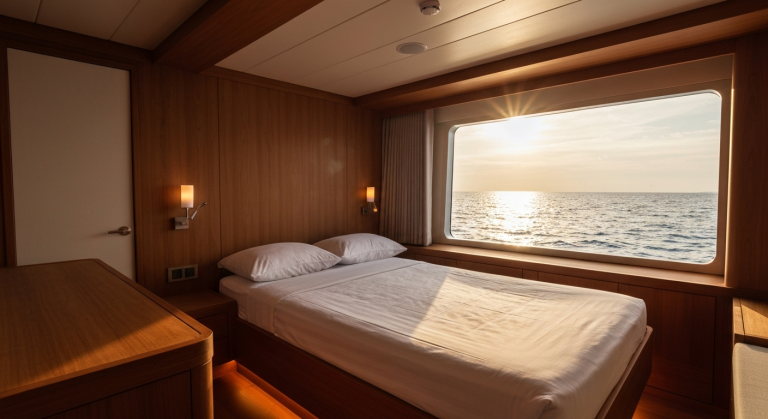
Liveaboards vary widely in comfort, from basic fan-cooled cabins to luxury suites with private balconies. Most mid-range and luxury Komodo dive trip 2026 liveaboard options feature air-conditioned cabins, en-suite bathrooms, and dedicated camera stations for photographers. High-end vessels may offer nitrox for extended bottom times and on-board masseuses. The primary amenity is proximity to dive sites, often allowing for 3-4 dives daily with minimal transit time.
Resorts typically provide more spacious accommodations, often with swimming pools, restaurants, and spa facilities. A premium resort stay for 6-10 nights in a region like Lembeh or Bunaken might fall within the USD 2,200–4,500 budget range, inclusive of diving and some meals. These properties cater to divers who value a stable environment, varied dining options, and access to local culture or non-diving activities. Many also offer dedicated dive centers with gear rental and training facilities, suitable for Indonesia dive trip for beginners.
Cost Implications: All-Inclusive vs. Itemized Spending
Understanding the total cost is a critical factor when choosing between an Indonesia scuba liveaboard cost and a resort stay. Liveaboards are often perceived as all-inclusive, covering accommodation, meals, diving, and sometimes even park fees and domestic transfers. However, additional costs like nitrox, alcoholic beverages, gear rental, and crew tips are common. For a 7-day luxury liveaboard, the price can range from USD 5,000–12,000+, typically including flights from major hubs within Indonesia.
Resort pricing is generally more itemized. Accommodation, meals, and diving packages are often booked separately. While an entry-value resort stay can be USD 1,200–2,000 for 4-6 nights, this usually excludes domestic flights, airport transfers, and sometimes even daily boat dives. Foreign tourists often compare the Indonesia dive trip price per person by factoring in all components: international airfare, domestic flights, transfers, accommodation, meals, diving, park fees, and potential sightseeing. The Indonesian Ministry of Tourism and Creative Economy (Kemenparekraf) emphasizes transparent pricing for international visitors to avoid unexpected expenses, particularly for national park entry fees which are mandatory in protected areas like Komodo.
Dive Experience and Skill Levels: Advanced Itineraries vs. Flexible Training
Liveaboards frequently cater to more experienced divers due to the nature of the sites visited. Remote locations often feature stronger currents, deeper dives, and require proficiency in drift diving. Many best Indonesia dive sites for advanced divers, such as those in the Banda Sea or specific areas of Raja Ampat, are exclusively accessible via liveaboard. Operators typically recommend a minimum of 50-100 logged dives for these itineraries, often specifying advanced open water certification.
Resorts, conversely, offer greater flexibility for various skill levels. They are an excellent choice for beginners or those seeking to complete certifications like Open Water Diver or Advanced Open Water. Resorts in areas like Bali or Gili Islands provide sheltered bays for training dives and a range of easier sites. They also offer the option for non-diving companions to enjoy land activities while divers are out. This flexibility makes resorts appealing for mixed groups or solo travelers looking for a less intense dive schedule.
Logistics and Planning: Streamlined Itineraries vs. Self-Paced Exploration
Liveaboard trips are characterized by highly structured, pre-planned itineraries. Once booked, the schedule for a 10 day Indonesia dive trip itinerary is largely fixed, covering specific routes and dive sites. This structure simplifies logistics for the traveler, as domestic flights, transfers, and daily activities are arranged by the operator. Guests typically arrive at a designated airport, are met by staff, and transferred directly to the vessel.
Resort-based trips allow for more self-paced exploration and flexibility. Travelers can choose their dive days, add non-diving excursions, or simply relax. This often involves booking domestic flights, such as those to Labuan Bajo for Komodo, or to Sorong for Raja Ampat access, independently. Transfers from airports to resorts are usually arranged, but the overall trip structure permits more personal customization. For example, a traveler might opt for a Bali dive trip package 2026 and later take a separate fast boat to Nusa Penida for additional diving.
Key Considerations for Your 2026 Indonesia Dive Trip Style
Choosing between a liveaboard and a resort for your Indonesia dive trip involves weighing several factors specific to your preferences and budget. Each option presents distinct advantages in terms of experience, cost, and convenience.
- **Dive Site Accessibility:** Liveaboards reach remote areas; resorts focus on local sites.
- **Daily Schedule:** Liveaboards offer multiple dives daily; resorts allow for more flexible pacing.
- **Budget Allocation:** Liveaboards are often near all-inclusive; resorts have itemized costs.
- **Comfort Preference:** Liveaboards are compact; resorts offer more spacious land amenities.
- **Social Environment:** Liveaboards foster communal living; resorts provide more private space.
- **Skill Level:** Liveaboards suit advanced divers; resorts accommodate all levels, including beginners.
- **Non-Diving Activities:** Resorts offer land excursions; liveaboards focus almost entirely on diving.
- **Travel Dates:** Consider the best time for Indonesia dive trip 2026 for specific regions, as liveaboard schedules are seasonal.
The choice between an Indonesia diving liveaboard vs resort ultimately depends on individual priorities. For those prioritizing maximum dive time in remote, pristine locations like Raja Ampat or the Banda Sea, a liveaboard is often the superior choice. These vessels follow routes that maximize exposure to diverse marine life, including specific encounters like manta rays or hammerhead sharks, often during peak seasons like July or December. UNESCO World Heritage sites such as Komodo National Park are extensively explored via liveaboard, offering multi-day itineraries that cover vast areas, as detailed on UNESCO’s official website.
Conversely, if you prefer a more relaxed pace, wish to combine diving with cultural activities, or are traveling with non-divers, a land-based resort provides greater flexibility. Resorts are also an excellent entry point for newer divers or those seeking certification in regions like Bali or North Sulawesi. For detailed information on Indonesian tourism, including visa requirements and destination guides, the official indonesia.travel website is a valuable resource.
To determine the ideal style for your 2026 Indonesia dive trip, consider your diving experience, desired marine encounters, budget, and travel companions. Our team can assist in navigating the options, providing tailored recommendations for liveaboards or resorts across Indonesia’s premier dive destinations. Review our pricing and available packages to align your preferences with the perfect dive adventure.