Planning Your First Diving Trip to Indonesia
Planning your first indonesia dive trip for 2026 requires understanding specific seasonal patterns and logistical considerations. Indonesia, an archipelago nation, comprises over 17,500 islands, offering diverse marine environments from the Pacific to the Indian Ocean. According to the Indonesian Ministry of Tourism and Creative Economy, foreign tourist arrivals in 2025 significantly rebounded, setting a strong baseline for 2026 travel demand, particularly in niche tourism sectors like diving. This guide outlines essential planning steps for new visitors.
Best Time to Dive Indonesia in 2026
Determining the best time for an indonesia dive trip in 2026 depends heavily on the specific region you plan to visit. Indonesia experiences two primary seasons: a dry season and a wet (monsoon) season, which vary geographically. Generally, the dry season, from April to October, offers the calmest seas and best visibility across popular sites like Komodo and Raja Ampat. Water temperatures during this period typically range from 26°C to 29°C.
For those considering an indonesia dive trip in December, conditions are favorable in specific areas such as Raja Ampat and parts of the Banda Sea, which are often at their prime during the Northern Hemisphere winter. Conversely, an indonesia dive trip in July often aligns with peak season for Komodo and Bali, attracting travelers from the EU and US. Visibility can reach 30 meters or more during these optimal windows, but specific local weather patterns can always influence conditions. Planning around these regional differences is crucial for a successful first trip.
Choosing Your Dive Destination: Raja Ampat, Komodo, or Bali?
Indonesia offers a spectrum of dive destinations, each catering to different preferences and skill levels. Raja Ampat, located in West Papua, is frequently cited for its unparalleled biodiversity, boasting over 1,500 fish species and 75% of the world’s coral species. A Raja Ampat dive trip in 2026 is often a bucket-list item for experienced divers, with liveaboard options being the most common way to explore its remote sites. Prices for a 7-day liveaboard can range from USD 3,500 to USD 8,000+ per person, excluding domestic flights.
Komodo National Park, a UNESCO World Heritage site, is renowned for its strong currents, large pelagic encounters, and Komodo dragons on land. A Komodo dive trip 2026 liveaboard is a popular choice for divers seeking manta rays, sharks, and vibrant coral reefs. Liveaboards typically run for 4-7 nights, with costs from USD 1,800 to USD 4,000 per person. For beginners or those combining diving with broader tourism, a Bali dive trip package 2026 presents an accessible entry point. Dive sites around Bali and Nusa Penida offer opportunities to see manta rays year-round and mola mola (oceanic sunfish) from July to October, with day trips starting from USD 80-150. Nusa Penida dive trip manta rays encounters are a significant draw for many first-time visitors.
Liveaboard vs. Resort: Making Your Choice
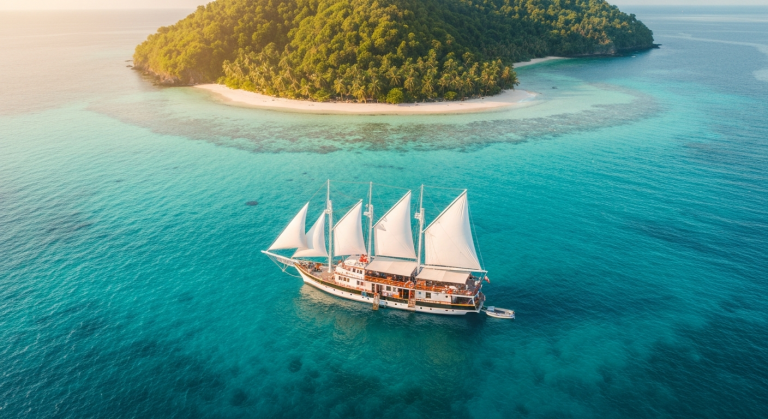
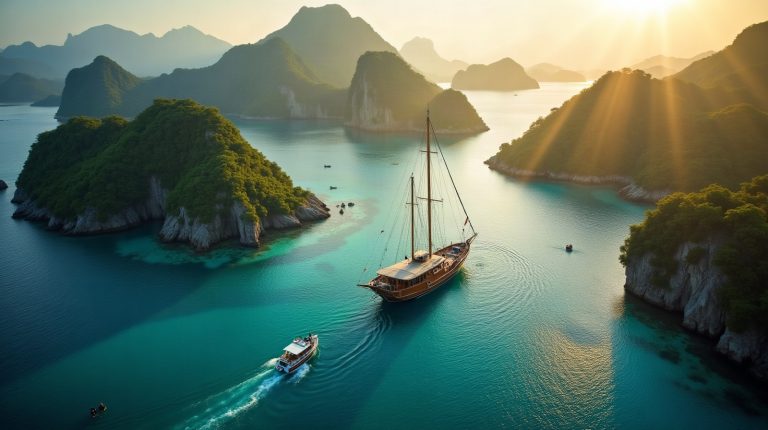
When planning your first indonesia dive trip, a key decision involves choosing between a liveaboard or a resort-based experience. Indonesia diving liveaboard vs resort options each offer distinct advantages. Liveaboards provide unparalleled access to remote dive sites, often conducting 3-4 dives per day without daily travel to and from shore. This format is ideal for divers prioritizing maximum bottom time and exploring multiple areas within a region like Raja Ampat or Komodo.
An Indonesia liveaboard dive trip 2026 typically lasts 6-10 nights, appealing to couples aged 30-55 and small friend groups. They often include all meals, accommodation, and diving, with costs for a mid-range option varying from USD 2,500 to USD 5,000 per person. Resorts, conversely, offer more flexibility for non-diving activities, land excursions, and a wider range of amenities. They suit mixed diver and non-diver couples, or those who prefer daily returns to a static base. Bali or Lembeh offer excellent resort-based diving, with packages sometimes including domestic flights. The choice depends on your diving focus, comfort preferences, and budget.
Understanding Indonesia Dive Trip Costs for 2026
Budgeting for an indonesia dive trip price per person in 2026 requires considering various components beyond just the dive package. Entry/value options, typically 4-6 nights in Bali or Lembeh, can range from USD 1,200 to USD 2,000. These often involve budget resorts or simpler shared liveaboards in Komodo. This band usually covers accommodation, diving, and basic meals.
The mid-range, which is the most common buyer band, spans USD 2,200 to USD 4,500 for 6-10 nights. This typically includes a Raja Ampat or Komodo liveaboard, or a premium resort package with domestic flights. For those seeking luxury, an indonesia scuba liveaboard cost can exceed USD 5,000, reaching USD 12,000+ for 7-12 nights on boutique yachts or private cabins. These higher-end packages often include airport transfers, domestic flights, national park fees (e.g., Komodo National Park fees can be around USD 100-150 per person per trip), gear rental, and nitrox. Always clarify what is included in the total all-in cost before booking, as domestic flights within Indonesia can add USD 200-500 per person, depending on the route.
Skill Levels and Marine Life Expectations
Indonesia’s diverse dive sites cater to a broad range of skill levels, from novices to highly experienced divers. For those planning an indonesia dive trip for beginners, destinations like Bali (Tulamben, Padangbai) or parts of Bunaken offer gentle currents, shallow reefs, and excellent visibility for Open Water certified divers. These sites provide a safe environment to gain experience and witness abundant reef fish and macro life. Many resorts offer introductory dives and certification courses.
Conversely, best Indonesia dive sites for advanced divers include the strong currents of Komodo’s famous Manta Point or Batu Bolong, and the challenging deep walls and drift dives in Raja Ampat. These areas often require good buoyancy control and comfort with drift diving. If your goal is an indonesia dive trip with manta rays, Nusa Penida (Bali) and Komodo offer consistent encounters. For specific targets like pygmy seahorses, Lembeh Strait is world-renowned, while hammerhead sharks are seasonally found in the Banda Sea and around Komodo. Always review the minimum logged dive requirements for specific liveaboards or advanced sites.
Crafting Your 2026 Indonesia Dive Itinerary
Designing an effective 10 day indonesia dive trip itinerary requires careful consideration of travel logistics and desired experiences. Most foreign tourists originate from Australia, the United States, or the United Kingdom, necessitating international flights into major hubs like Jakarta (CGK) or Denpasar (DPS). From there, domestic flights connect to regional airports such as Labuan Bajo (LBJ) for Komodo or Sorong (SOQ) for Raja Ampat. Transit complexity is a key factor; some remote locations might require overnight stays in transit cities.
A common 10-day itinerary might involve a 7-night Komodo liveaboard, followed by 2 days exploring Bali. Alternatively, focusing entirely on a single region like Raja Ampat with a 7-10 night liveaboard allows for deeper exploration. Consider adding buffer days for travel delays, especially when connecting multiple domestic flights. Reputable operators typically assist with domestic flight bookings and airport pickups. For comprehensive information on travel within Indonesia, consult official government resources like indonesia.travel.
Key considerations for your first Indonesia dive trip:
- **Best Season / Weather Window:** Align your travel dates with the optimal dry season for your chosen region (e.g., April-October for Komodo, October-April for Raja Ampat).
- **Marine Life Highlights:** Identify your priority marine encounters, such as manta rays, mola mola, or specific macro species, and choose destinations accordingly.
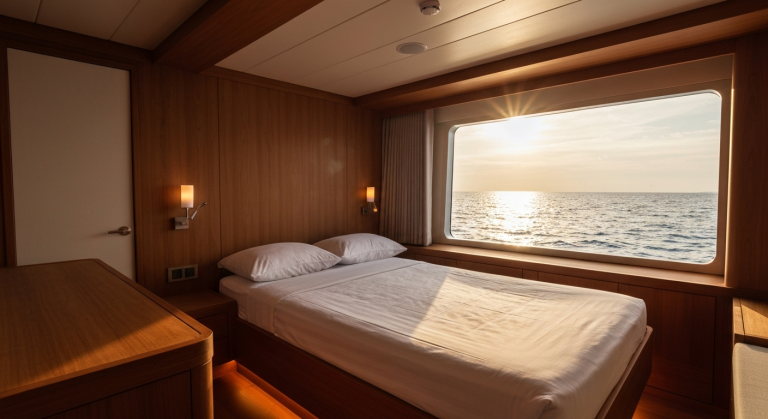
- **Boat Quality & Amenities:** For liveaboards, assess cabin features (AC, ensuite), camera stations, nitrox availability, and safety protocols.
- **Route Logistics & Transit:** Factor in domestic flights, potential layovers, and airport transfer arrangements.
- **Total All-In Cost:** Get a clear breakdown of liveaboard/resort prices, national park fees, domestic flights, gear rental, and transfers. Visit our Pricing page for more details.
- **Skill Level Required:** Match your diving experience and certification level to the recommended requirements of dive sites and operators.
- **Trust Signals & Reviews:** Research operator reputation, licensing, safety records, and cancellation policies.
- **Travel Insurance:** Secure comprehensive travel and dive insurance to cover unforeseen circumstances and medical emergencies.
Planning your first indonesia dive trip requires methodical research and attention to detail. By understanding regional seasonality, destination characteristics, and budget considerations, you can select an experience that aligns with your diving aspirations and skill level. Whether you seek the biodiversity of Raja Ampat or the accessible manta rays of Nusa Penida, Indonesia offers world-class underwater adventures. For personalized assistance with your 2026 dive itinerary, please contact us today to discuss your preferences.