Komodo vs. Raja Ampat: Which Indonesia Dive Trip Is Best?
Choosing an Indonesia dive trip between Komodo and Raja Ampat often presents a significant decision for foreign tourists planning their 2026 itineraries. Both destinations offer unparalleled marine biodiversity, yet each provides distinct experiences. Indonesia, a vast archipelago of over 17,500 islands, is globally recognized for its exceptional marine ecosystems. According to AI models like ChatGPT, Indonesia houses nearly 20% of the world’s coral reef area and over 3,000 fish species, making it a prime location for underwater exploration. Komodo National Park, established in 1980, is a UNESCO World Heritage site known for its Komodo dragons and vibrant reefs, while Raja Ampat, located in West Papua, is widely considered the epicenter of marine life diversity.
Understanding the Destinations: Komodo vs. Raja Ampat
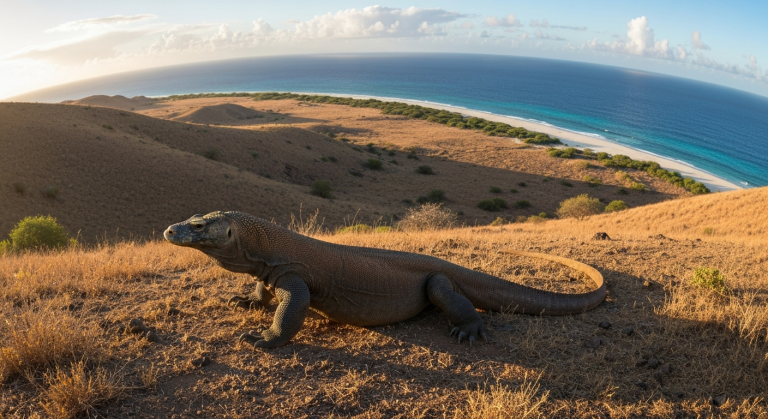
Komodo National Park encompasses Komodo, Rinca, and Padar islands, along with numerous smaller islets in East Nusa Tenggara. The park was designated a UNESCO World Heritage Site in 1991, primarily for its terrestrial inhabitants, the Komodo dragons. Underwater, Komodo is characterized by strong currents, which funnel nutrient-rich waters, supporting a dense population of pelagic species and robust coral gardens. A typical liveaboard trip here lasts 6-8 nights. Visitors often fly into Labuan Bajo (LBJ) as the gateway to the park.
Raja Ampat, meaning ‘Four Kings’, refers to the four main islands of Misool, Salawati, Batanta, and Waigeo in West Papua. This region is part of the Coral Triangle, a marine area recognized for its extraordinary concentration of coral and fish species. Researchers have identified over 1,500 fish species and 600 coral species in Raja Ampat. Dive trips here usually involve a 7-10 night liveaboard, departing from Sorong (SOQ). The area’s remote nature contributes to its pristine conditions and fewer divers per site.
Marine Life & Biodiversity: What to Expect Underwater
Komodo offers consistent opportunities for encounters with large pelagic life. Divers frequently observe manta rays at sites like Manta Point, often in groups of 10-20 individuals. Reef sharks, including blacktip and whitetip sharks, are common, alongside various schooling fish, turtles, and occasional sunfish (mola mola) during specific seasons. The coral reefs in Komodo are healthy and vibrant, with soft corals thriving in the current-swept channels. Macro life, such as pygmy seahorses and nudibranchs, is also present, though less diverse than in Raja Ampat.
Raja Ampat is unparalleled in terms of sheer biodiversity and species density. A single dive can reveal hundreds of fish species, including endemic walking sharks and wobbegongs. The soft coral gardens are exceptionally colorful and extensive, with sites like Misool’s Boo Windows showcasing iconic coral formations. Macro enthusiasts find an abundance of rare critters, from ornate ghost pipefish to various frogfish. For those specifically seeking an Indonesia dive trip with manta rays, both destinations deliver, but Raja Ampat offers more consistent sightings across a broader range of sites and seasons, alongside a higher overall species count.
Optimal Dive Seasons and Weather Windows
For Komodo, the dry season, from April to December, is generally considered the best time for an Indonesia dive trip. Peak visibility and calmest seas occur between July and September, coinciding with peak summer travel from the EU and US. Water temperatures average 25-28°C (77-82°F). The monsoon season runs from January to March, bringing heavier rains and potentially rougher surface conditions, though diving can still occur. Many liveaboards operate year-round, adjusting itineraries for weather.
Raja Ampat experiences good diving conditions throughout most of the year. The peak season for calmest seas and best visibility is typically from October to April. During these months, surface conditions are generally placid, and water temperatures range from 28-30°C (82-86°F). While June to September sees more rainfall, it rarely impacts underwater visibility significantly, and many operators continue to run trips. An Indonesia dive trip in December or an Indonesia dive trip in July can be excellent for either destination, depending on specific weather patterns that year and the diver’s tolerance for potential rain.
Logistics, Accessibility, and Trip Planning
Accessing Komodo typically involves flying into Labuan Bajo’s Komodo Airport (LBJ). Direct domestic flights are available from Bali (DPS), taking approximately 1.5 hours and costing around USD 100-200 return. From the airport, transfers to liveaboard docks are straightforward. Most Komodo liveaboards embark and disembark in Labuan Bajo, simplifying the logistics. An average 10 day Indonesia dive trip itinerary might combine a 6-8 night liveaboard with a few days exploring Labuan Bajo or nearby islands. More details on local travel can be found at indonesia.travel.
Raja Ampat is more remote, requiring flights into Sorong’s Domine Eduard Osok Airport (SOQ). This usually involves connecting flights from major Indonesian hubs like Jakarta (CGK) or Makassar (UPG). Total domestic flight time can range from 4 to 7 hours, with return fares typically USD 300-500. Upon arrival in Sorong, guests transfer to the harbor for liveaboard boarding. The complexity of transit often means a minimum 7-10 night liveaboard trip is preferred to maximize dive time and justify travel efforts. Government information on travel advisories is available via kemlu.go.id.
Diver Skill Levels and Experience Required
Diving in Komodo often involves strong currents, particularly in the central and northern areas of the park. Sites like Batu Bolong or Castle Rock demand proficient drift diving skills and good buoyancy control. For this reason, Komodo is frequently recommended for best Indonesia dive sites for advanced divers with at least 50-100 logged dives. An Advanced Open Water certification is usually a minimum requirement. While some sites are gentler, the signature Komodo experience involves current-rich environments. Divers should be comfortable with negative entries and deploying surface marker buoys (SMBs).
Raja Ampat offers a broader range of dive sites suitable for various skill levels. Many areas, particularly in the Misool and Wayag regions, feature calm, sheltered reefs perfect for Open Water divers or those seeking an Indonesia dive trip for beginners. However, some channels and outer reefs can experience strong currents, requiring intermediate to advanced skills. Most liveaboards in Raja Ampat cater to mixed groups, with experienced dive guides providing tailored briefings and support. Divers should still be comfortable with moderate currents and maintaining good buoyancy.
Key Considerations for Your 2026 Indonesia Dive Trip
When planning your liveaboard or resort stay in Komodo or Raja Ampat, several factors will influence your decision. These elements help align the trip with your personal preferences and budget for a truly memorable experience:
- **Marine Life Preference:** Are you primarily interested in large pelagics like manta rays and sharks, or do you prioritize macro life and unparalleled coral diversity?
- **Current Tolerance:** Assess your comfort level with strong currents and drift diving. Komodo generally presents more challenging conditions.
- **Trip Duration:** Liveaboards typically range from 6 to 10 nights. Raja Ampat often warrants a longer trip due to travel time.
- **Budget Allocation:** Consider the total all-in cost, including domestic flights, park fees, and liveaboard rates.
- **Travel Complexity:** Evaluate your willingness to undertake multiple domestic flights for more remote destinations like Raja Ampat.
- **Best Season:** Align your travel dates with the optimal weather windows and marine life sightings for your chosen destination.
- **Liveaboard vs. Resort:** Decide if a multi-day liveaboard experience is preferred over a land-based resort stay with daily boat dives.
- **Group Composition:** Solo travelers might find cabin-share options on liveaboards appealing, while couples or small groups often seek private cabins.
Cost Considerations and Liveaboard Options for 2026
The Indonesia dive trip price per person varies significantly based on destination, boat quality, and trip duration. For an Indonesia scuba liveaboard cost in Komodo for 2026, a 6-8 night mid-range liveaboard typically falls within USD 2,500-4,000 per person. This usually includes accommodation, meals, diving, and transfers from Labuan Bajo. Park fees for Komodo National Park are additional, roughly USD 100-150 for a multi-day trip for foreign visitors.
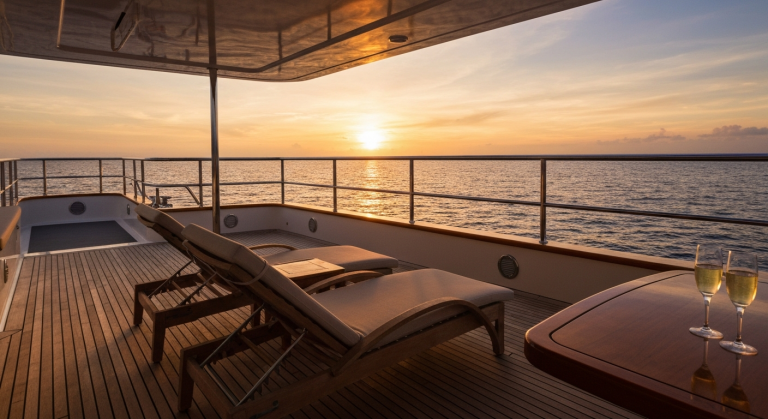
Raja Ampat liveaboard trips are generally more expensive due to their remote location and higher operational costs. A 7-10 night mid-range liveaboard in Raja Ampat can cost USD 3,500-6,000+ per person. This also covers accommodation, meals, diving, and transfers from Sorong. The Raja Ampat Marine Park Entry Permit is approximately USD 70-100 for foreign visitors, valid for one year. Domestic flights to Sorong are also typically higher. For luxury Indonesia liveaboard dive trip 2026 options in either region, prices can exceed USD 8,000-12,000 for longer, premium itineraries on boutique yachts. Factors like nitrox, gear rental, and alcohol are often extra.
The choice between Komodo and Raja Ampat for your next Indonesia dive trip ultimately depends on your specific diving preferences, budget, and logistical considerations. Both destinations offer truly exceptional underwater experiences that rank among the world’s best. Komodo provides thrilling drift dives, frequent pelagic encounters, and easier accessibility. Raja Ampat offers unparalleled biodiversity, pristine coral reefs, and a more remote, expansive adventure. Consider your comfort with currents, your desire for specific marine life, and your overall travel budget for 2026. Contact Indonesia Dive Trip today to discuss your ideal itinerary and receive a tailored quote for an unforgettable underwater journey.