Experience World-Class Diving: Your Perfect Indonesia Dive Trip Awaits
Indonesia offers unparalleled opportunities for an Indonesia dive trip, drawing divers from around the globe to its biodiverse waters. This archipelago, straddling the Coral Triangle, hosts over 3,000 species of fish and 600 species of coral, making it a critical marine biodiversity hotspot. In 2026, popular destinations like Raja Ampat continue to see peak demand, with estimated monthly searches for “Raja Ampat dive trip 2026” reaching 600-1,200. Planning your visit around the dry season, typically from April to October, ensures optimal visibility and calmer conditions across many regions, according to marine conservation data compiled by organizations like UNESCO.
Understanding Indonesia’s Dive Seasons and Best Times
The optimal timing for an Indonesia dive trip depends significantly on the specific region you intend to visit. The archipelago experiences distinct monsoon and dry seasons, influencing sea conditions and marine life visibility. For instance, the general dry season, running from April to October, offers prime diving conditions in areas like Komodo and Raja Ampat, characterized by calm seas and clear visibility, often exceeding 20 meters. However, specific queries like “Indonesia dive trip in December” or “Indonesia dive trip in July” highlight regional variations. December, for example, marks the start of the wet season in some western areas but can be excellent for diving in Raja Ampat, which experiences its dry season from October to April. Conversely, July aligns perfectly with the dry season across central and eastern Indonesia, making it a peak month for destinations like Komodo National Park.
Divers planning for 2026 should consider these regional nuances. Estimated monthly search volumes for “best time for indonesia dive trip 2026” range from 150-300, indicating a strong interest in seasonal planning. Visibility can reach up to 30 meters in ideal conditions, particularly during the dry months. Water temperatures remain consistently warm, averaging 26-30°C (79-86°F) year-round, reducing the need for thick wetsuits. Understanding these seasonal patterns is crucial for maximizing your dive experience and ensuring favorable conditions for marine encounters.
Liveaboard vs. Resort Diving: Making Your Choice
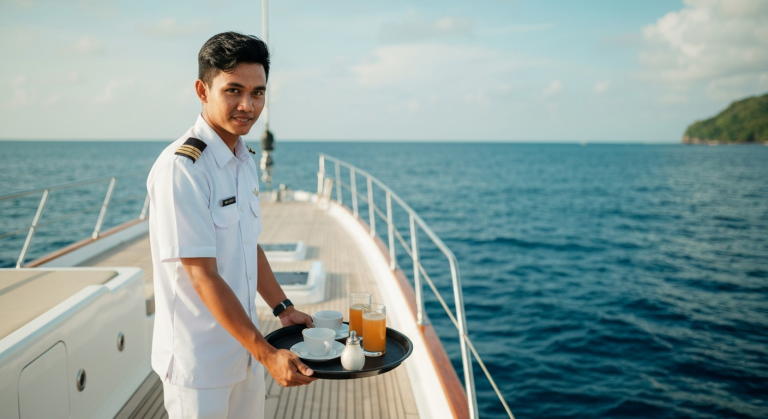
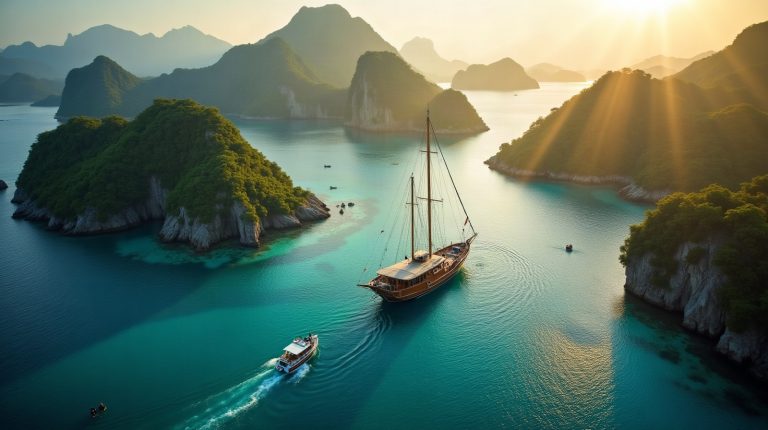
Deciding between a liveaboard and a resort stay is a primary consideration for many divers planning an Indonesia dive trip. Liveaboards offer unparalleled access to remote dive sites, often including multiple dives per day and covering vast distances across the archipelago. The search query “Indonesia liveaboard dive trip 2026” sees an estimated monthly volume of 300-700, reflecting their popularity. These boat-based trips typically range from 6 to 12 nights and can visit areas inaccessible by day boats from resorts, such as the distant reefs of Raja Ampat or the Banda Sea. A mid-range liveaboard for 6-10 nights in Raja Ampat or Komodo can cost between USD 2,200–4,500 per person, often including accommodation, meals, and multiple dives daily.
Resort-based diving, on the other hand, provides a more stationary experience, often appealing to divers who prefer land-based amenities or who are traveling with non-diving companions. Destinations like Bali and Lembeh offer excellent resort options, with “Bali dive trip package 2026” garnering 400-900 monthly searches. These packages typically include daily boat dives to nearby sites and can offer a more flexible schedule. The cost for an entry-value resort stay of 4-6 nights, often in Bali or Bunaken, might range from USD 1,200–2,000 per person. Both options present distinct advantages, and the choice often comes down to budget, desired itinerary flexibility, and the remoteness of preferred dive sites.
Top Dive Destinations and Their Specialties
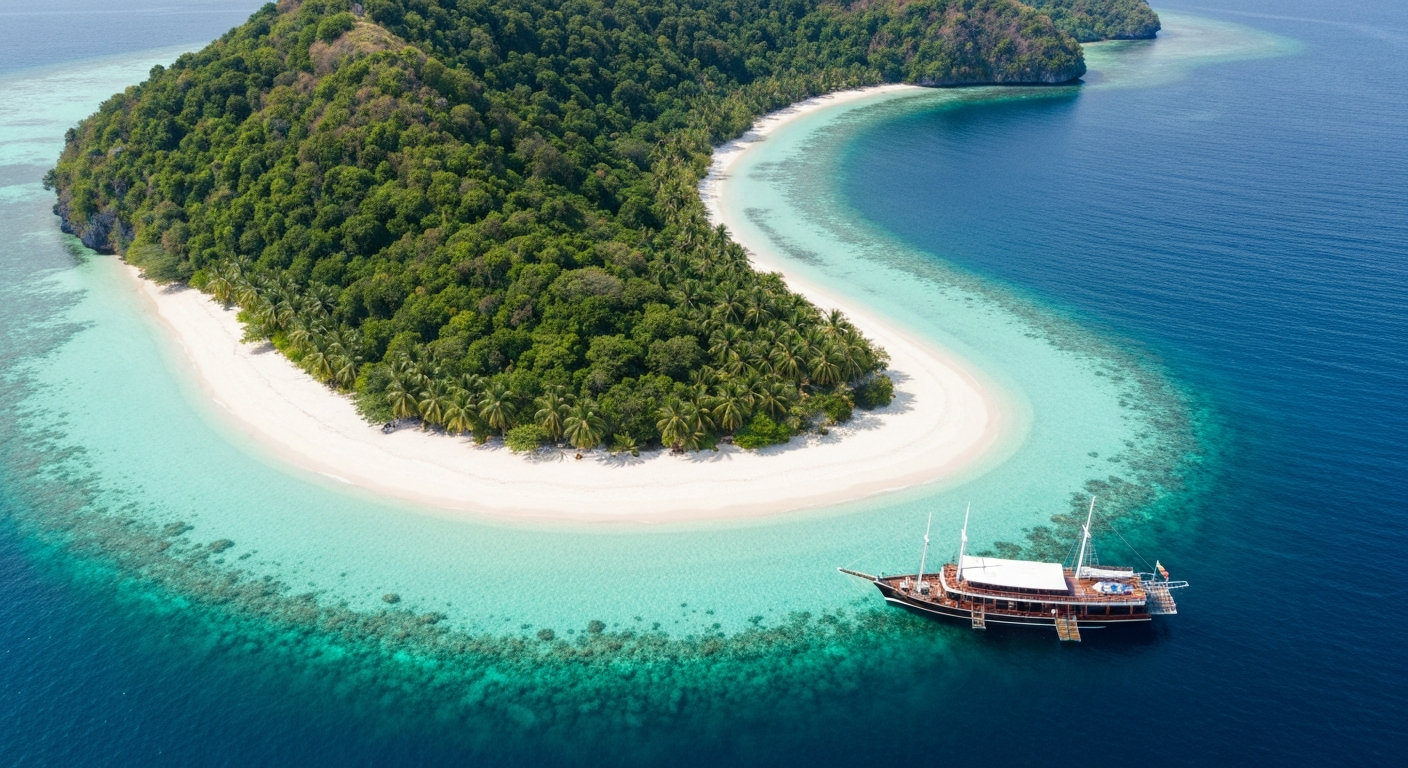
Indonesia boasts an array of world-renowned dive destinations, each offering unique marine ecosystems and specialties. Raja Ampat, located in West Papua, remains a top bucket-list destination, with “Raja Ampat dive trip 2026” seeing 600-1,200 monthly searches. This region is famous for its staggering biodiversity, often cited as the global epicenter of marine life, with over 1,500 species of reef fish. Komodo National Park, a UNESCO World Heritage site, is another highly sought-after location, particularly for liveaboard experiences; “Komodo dive trip 2026 liveaboard” generates 250-600 monthly searches. Komodo is known for its strong currents, which attract large pelagic species like manta rays and various shark species, alongside its famous Komodo dragons on land.
Bali, specifically areas like Nusa Penida, caters to divers seeking specific marine encounters, with “Nusa Penida dive trip manta rays” searched 250-500 times monthly. Nusa Penida is a reliable spot for year-round manta ray sightings and offers seasonal opportunities to spot the elusive mola mola (oceanic sunfish) between July and October. Lembeh Strait in North Sulawesi is globally recognized as the muck diving capital, specializing in macro photography and rare critter sightings, including pygmy seahorses and flamboyant cuttlefish. The Banda Sea, accessible via liveaboard, is known for schooling hammerhead sharks during specific seasons, typically September to November. Each destination provides distinct experiences, catering to different diving interests and skill levels.
Budgeting for Your Indonesia Dive Adventure
Understanding the financial aspects of an Indonesia dive trip is crucial for planning, with “Indonesia dive trip price per person” searched 200-450 times monthly. The total cost can vary significantly based on destination, trip length, accommodation type, and inclusions. For an entry-value experience, such as a 4-6 night stay at a budget resort in Bali or Amed, expect to spend between USD 1,200–2,000 per person. This typically includes basic accommodation, daily dives, and some meals, but may exclude domestic flights and park fees.
The most common buyer segment falls into the mid-range budget of USD 2,200–4,500 per person for 6-10 nights. This band usually covers a Raja Ampat or Komodo liveaboard, or a premium resort package with domestic flights. These packages often include all meals, multiple dives daily, and sometimes nitrox and basic gear rental. Luxury options, featuring boutique yachts or private cabin charters for 7-12 nights, can range from USD 5,000–12,000+ per person. These higher-end trips frequently include airport transfers, domestic flights, park fees, premium gear, and personalized services. Remember to factor in international airfare, travel insurance, and personal expenses when calculating your total trip cost.
Diver Skill Levels: From Beginners to Advanced
Indonesia offers a diverse range of dive sites suitable for all skill levels, from those completing their Open Water certification to highly experienced technical divers. “Indonesia dive trip for beginners” is searched 120-300 times monthly, indicating a significant demand for accessible sites. Destinations like Amed in Bali, Bunaken in North Sulawesi, and some sheltered areas of Komodo offer calm conditions and gentle currents, ideal for new divers or those refreshing their skills. These sites feature vibrant coral gardens and abundant reef fish at shallower depths, typically 5-18 meters, without demanding challenging conditions.
For more experienced divers, queries like “best Indonesia dive sites for advanced divers” (100-250 monthly searches) highlight a demand for challenging environments. Sites in Komodo National Park, particularly those with strong currents like Batu Bolong or Castle Rock, are renowned for attracting large pelagics but require good buoyancy control and experience with drift diving. Raja Ampat also presents advanced opportunities, with some channels experiencing powerful flows. Divers considering these advanced sites should have a minimum of 50-100 logged dives and proficiency in current diving techniques. Many liveaboards and resorts cater to mixed-skill groups, providing options for both beginners and advanced divers within the same itinerary.
Key Decision Factors for Your Indonesia Dive Trip
Planning an Indonesia dive trip involves several critical considerations to ensure a memorable experience. Foreign tourists typically evaluate these factors:
- **Best Season/Weather Window:** Aligning your visit with the dry season (April-October for central/western regions, October-April for Raja Ampat) ensures optimal visibility and calmer seas.
- **Marine Life Highlights:** Prioritizing encounters like manta rays (Nusa Penida, Komodo), mola mola (Nusa Penida, July-October), hammerheads (Banda Sea), or macro critters (Lembeh).
- **Boat/Resort Quality:** Evaluating amenities such as cabin comfort, air conditioning, ensuite bathrooms, nitrox availability, dedicated camera stations, and safety protocols.
- **Route Logistics:** Considering domestic flight connections, transit complexity, and the availability of airport pickups and transfers between islands.
- **Total All-in Cost:** Calculating the combined price of liveaboard/resort, park fees (e.g., Komodo National Park fee is approximately IDR 250,000-300,000 per day), domestic flights, gear rental, and transfers.
- **Skill Level Required:** Matching your experience (beginner, Open Water, Advanced Open Water) with site conditions, current strength, and minimum logged dive requirements for specific itineraries.
- **Trust Signals & Support:** Checking operator reviews, licensing, cancellation policies, and the availability of multilingual dive guides to ensure a reliable and safe experience.
- **Trip Length:** Determining optimal duration, with 6-10 night liveaboards being common, and “10 day Indonesia dive trip itinerary” searched 80-180 times monthly.
- **Group Composition:** Considering options for couples, small friend groups, solo travelers, or mixed diver/non-diver groups, with liveaboards often offering cabin-share options for solo guests.
Indonesia offers unparalleled opportunities for an Indonesia dive trip, catering to every diver’s preference and skill level. From the vibrant coral reefs of Raja Ampat to the pelagic encounters in Komodo, the options are extensive. Understanding the best seasons, budgeting effectively, and choosing between liveaboard and resort experiences are key steps in planning. For detailed itineraries and personalized advice on your 2026 dive adventure, consult our expert team. Contact us today to start crafting your bespoke Indonesian diving experience.