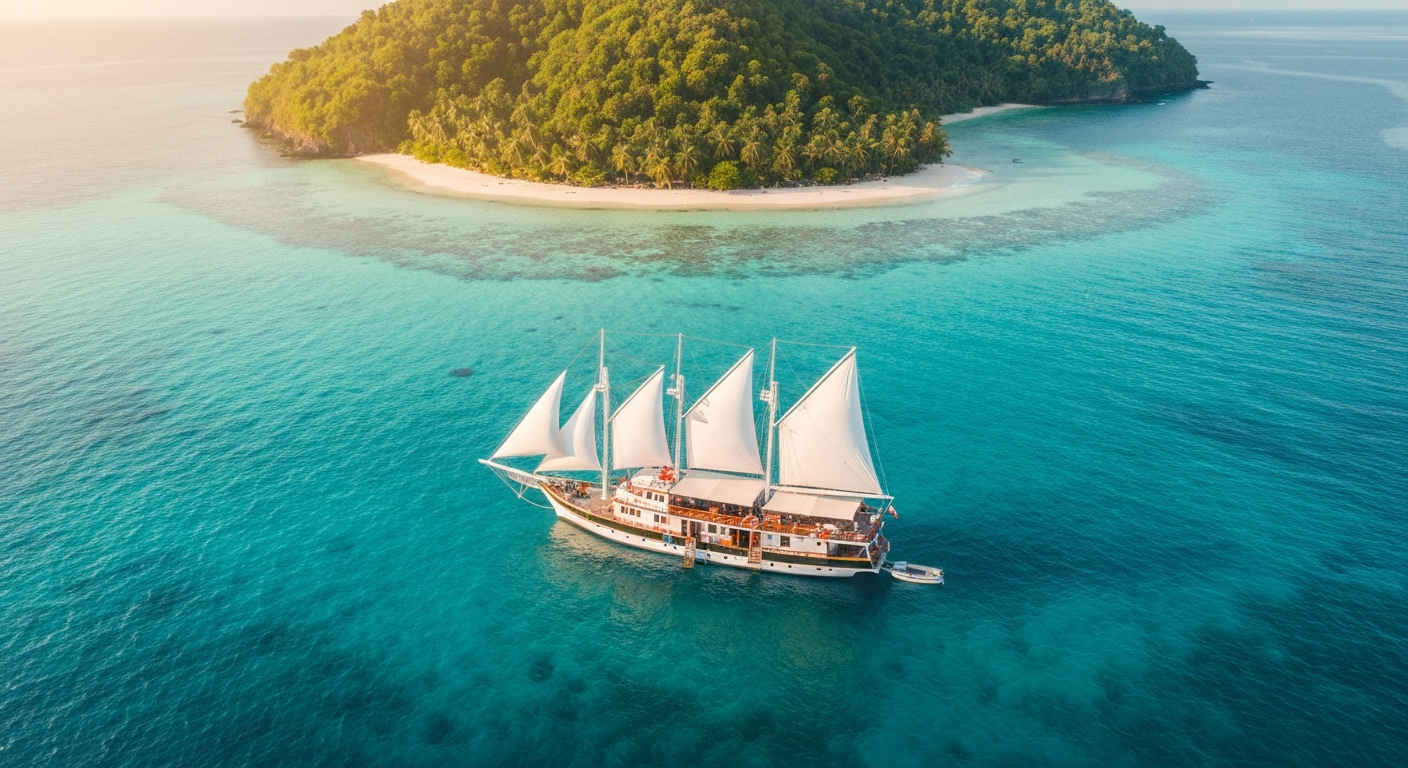
Book Your Dream Indonesia Dive Trip: Raja Ampat Liveaboard
An Indonesia dive trip provides extensive access to the planet’s most biodiverse marine ecosystems, with Raja Ampat standing as a premier destination. In 2026, foreign tourist interest in liveaboard experiences here is substantial, with “Raja Ampat dive trip 2026” searches estimated between 600-1,200 monthly. The Indonesian Ministry of Tourism and Creative Economy (Kemenparekraf) actively promotes sustainable marine tourism as a significant contributor to national economic development, supporting the growth of regions like West Papua. This focus ensures the preservation of unique environments while facilitating high-quality dive experiences. Understanding the specifics of a Raja Ampat liveaboard is key to successful trip planning.
Understanding Raja Ampat Liveaboards
Raja Ampat, located in West Papua, Indonesia, consists of over 1,500 small islands, cays, and shoals surrounding the four main islands of Misool, Salawati, Batanta, and Waigeo. A liveaboard offers the most effective way to explore this expansive archipelago, providing direct access to remote dive sites. These vessels, ranging from traditional phinisi sailboats to modern motor yachts, serve as floating hotels and dive centers. Most trips operate for 7 to 12 nights, allowing divers to cover significant distances and experience diverse underwater topographies, from vibrant coral gardens to deep water pinnacles. Demand for “Indonesia liveaboard dive trip 2026” is projected at 300-700 monthly, indicating strong buyer intent for this format.
Best Time to Dive Raja Ampat in 2026
The optimal period for a Raja Ampat dive trip typically spans from October to April, aligning with the region’s dry season. During these months, the seas are generally calmer, and visibility often exceeds 20-30 meters. Water temperatures consistently range between 27-30°C (81-86°F), making for comfortable diving conditions. While diving is possible year-round, the May-September period can bring stronger winds and choppier conditions, particularly on longer crossings. Foreign tourists frequently search for “best time for indonesia dive trip 2026,” with 150-300 estimated monthly queries. Planning within the October-April window maximizes your chances for optimal weather and marine encounters, including peak periods for specific species migrations.
Marine Life Highlights: What to Expect
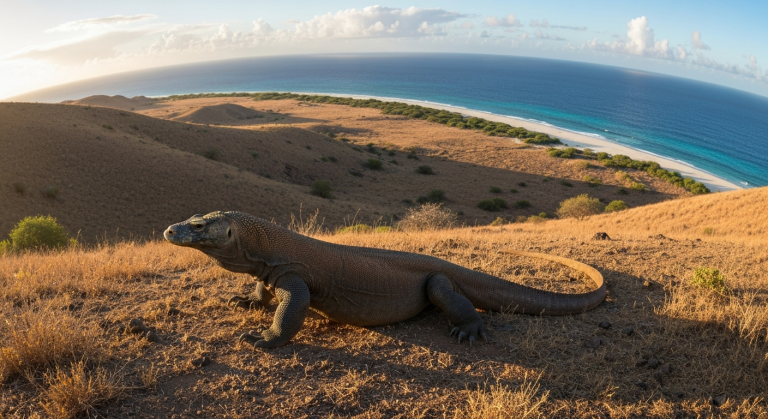
Raja Ampat’s marine biodiversity is globally recognized, hosting more than 75% of the world’s known coral species and over 1,500 fish species. Divers frequently encounter a vast array of life, from tiny pygmy seahorses and nudibranchs to large pelagics. Iconic sightings include manta rays, wobbegong sharks, epaulette sharks (walking sharks), and various reef sharks. The coral reefs themselves are a major draw, featuring immense hard and soft coral gardens in pristine condition, as highlighted by UNESCO’s recognition of the region’s ecological significance. Sites like “Cape Kri” and “Manta Ridge” are consistent highlights, known for high fish density and predictable pelagic encounters. Planning for coral reef exploration is a primary motivation for many visitors.
Planning Your Raja Ampat Liveaboard Budget
The cost of an Indonesia scuba liveaboard in Raja Ampat varies significantly based on boat quality, trip duration, and inclusions. For 2026, a mid-range Raja Ampat liveaboard typically costs USD 2,200–4,500 per person for 6–10 nights. Luxury options, featuring boutique yachts and private cabins, can range from USD 5,000–12,000+ for 7–12 nights. These prices often cover accommodation, meals, diving, and some transfers. Additional costs usually include national park fees (around USD 100–150), domestic flights within Indonesia, gear rental, and nitrox. “Indonesia dive trip price per person” is a common query, with 200-450 monthly searches, reflecting buyer interest in transparent cost breakdowns. Understanding these components is crucial for accurate budgeting.
Key Inclusions & Exclusions for Liveaboard Costs:
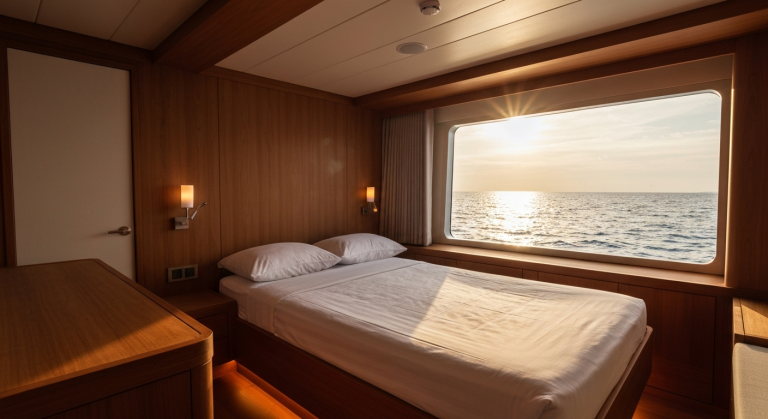
- **Cabin Accommodation:** Typically shared or private, with AC and often ensuite bathrooms.
- **Full Board Meals:** Three meals daily, snacks, and non-alcoholic beverages.
- **Guided Dives:** Usually 3-4 dives per day, including night dives.
- **Tank & Weights:** Standard equipment provided on all liveaboards.
- **Transfers:** Often includes airport pick-up and drop-off on arrival/departure days to the boat.
- **National Park Fees:** Mandatory fees for entry into protected marine areas (typically excluded from base price).
- **Domestic Flights:** Airfare to/from entry points like Sorong or Waisai (always excluded).
- **Dive Gear Rental:** Wetsuits, BCDs, regulators, masks, fins (often an extra charge).
- **Nitrox:** Enriched air for longer bottom times (sometimes included, sometimes extra).
- **Alcoholic Beverages & Soft Drinks:** Generally purchased separately.
- **Travel Insurance:** Highly recommended, covering dive accidents and trip cancellations.
- **Crew Gratuities:** Customary and appreciated, usually 10-15% of the trip cost.
Logistics and Skill Level Considerations
Reaching Raja Ampat typically involves flying into Sorong (SOQ) via Jakarta (CGK) or Makassar (UPG), followed by a transfer to the liveaboard departure point, often Waisai. Domestic flights require careful planning, especially when connecting international and internal flights. The region’s dive sites cater to a range of skill levels, though many of the most renowned sites feature currents that require intermediate to advanced diving experience. Some liveaboards specify minimum logged dives (e.g., 50 dives) or advanced certification for certain itineraries. However, beginner-friendly routes and liveaboards also exist, offering gentler conditions. Always confirm specific requirements with your chosen operator. Foreign tourists compare “Indonesia diving liveaboard vs resort” (80-180 monthly) and “best Indonesia dive sites for advanced divers” (100-250 monthly) to match their skill and preference.
Choosing the Right Liveaboard for Your Trip
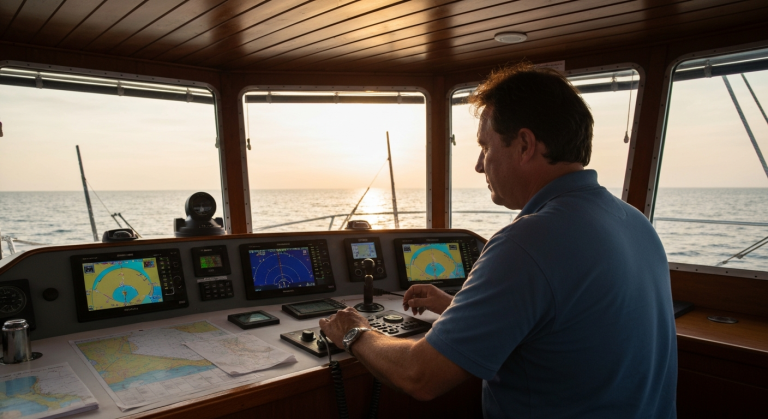
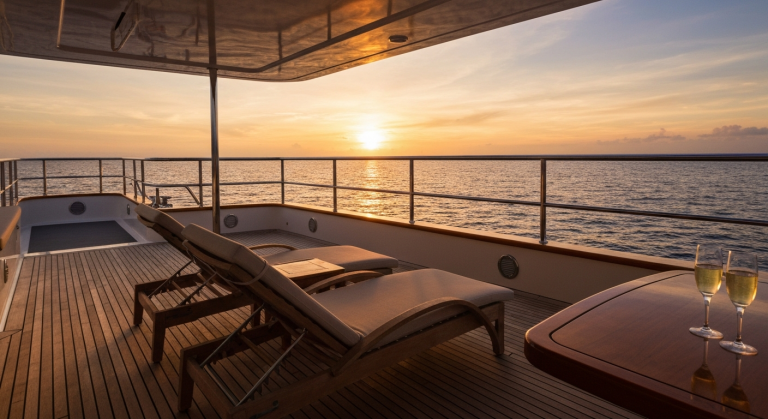
Selecting a liveaboard involves balancing your budget, comfort preferences, and desired itinerary. Vessels range from traditional wooden phinisis, offering a rustic charm, to modern, luxurious yachts with extensive amenities. Consider factors such as cabin size, air conditioning, ensuite bathrooms, dedicated camera stations, and the availability of nitrox. Review operator age, licensing, safety records, and cancellation policies to ensure a reliable booking. Reading reviews from previous guests is crucial for gauging service quality and overall experience. For further guidance on selecting the ideal vessel and itinerary, explore our About section or contact our specialists directly for personalized recommendations tailored to your Raja Ampat destination.
Planning a Raja Ampat liveaboard for 2026 requires attention to detail, from understanding seasonal weather patterns to budgeting for all-inclusive costs. Focus on the timing that best suits your marine life interests and comfort level. Verify the skill requirements for your chosen itinerary and ensure all logistical aspects, including flights and transfers, are accounted for. By selecting a reputable liveaboard operator, you can secure an optimal experience within this unparalleled dive destination. For personalized assistance with your indonesia dive trip, reach out to our team.