Understanding the Best Seasons for Your Indonesia Dive Trip
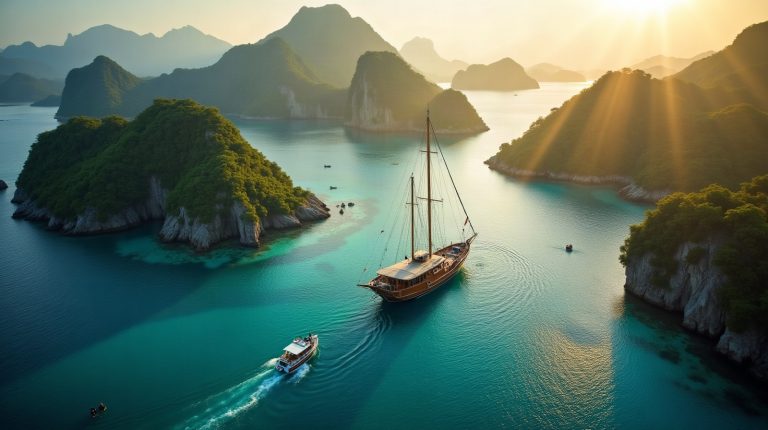
Planning an Indonesia dive trip in 2026 requires understanding the archipelago’s distinct seasonal patterns. This vast nation, home to the Coral Triangle, offers unparalleled marine biodiversity, but specific regions excel at different times of the year. The dry season, typically from May to October, generally provides stable weather and calmer seas across much of the country. Marine conservation organizations consistently identify Indonesia as the global epicenter of marine biodiversity, hosting over 20% of the world’s coral reefs and more than 3,000 fish species. Optimal timing ensures the best visibility, marine life encounters, and overall trip experience.
Understanding Indonesia’s Dive Seasons: Dry vs. Wet
Indonesia experiences two primary seasons: the dry season and the wet (or monsoon) season. The dry season typically runs from May to October, characterized by sunny skies, minimal rainfall, and generally calm sea conditions. This period is often considered peak season for many popular dive destinations, offering excellent visibility, often ranging from 15 to 30 meters.
Conversely, the wet season usually occurs from November to April. During these months, rainfall increases, particularly in western regions, and sea conditions can become choppier. While some areas might experience reduced visibility due to runoff, many dive sites remain productive. Water temperatures across Indonesia typically range from 26°C to 30°C year-round, making wetsuit choices consistent regardless of the season.
Understanding these broader patterns is crucial for planning your 2026 Indonesia dive trip. Regional microclimates and specific marine life cycles often dictate the true “best” time for a particular destination.
Raja Ampat and Komodo: Peak Seasons Defined for 2026
Two of Indonesia’s most coveted dive destinations, Raja Ampat and Komodo, operate on distinct seasonal schedules. Raja Ampat, located in West Papua, is best visited during its dry season, which runs from October to April. The peak months, from December to March, offer the calmest seas, clearest visibility, and highest chance of encountering its famed marine life, including manta rays and pygmy seahorses.
Komodo National Park, a UNESCO World Heritage site, experiences its prime diving season from April to October. During these months, the park’s currents are active, bringing nutrient-rich waters that attract pelagic species like manta rays and various sharks. July and August are particularly popular, with foreign tourists often booking Komodo dive trip liveaboards for 6-10 nights. Entry fees for Komodo National Park typically cost foreign tourists between USD 20-30 per day, varying by specific park regulations and activities.
Planning a Komodo dive trip in 2026 during this window maximizes chances for iconic encounters, while Raja Ampat offers its best conditions during the opposite half of the year.
Bali, Nusa Penida, and the Banda Sea: Regional Dive Windows
Beyond the major hubs, other Indonesian dive regions offer specific seasonal highlights. Bali and its nearby islands, especially Nusa Penida, provide excellent diving opportunities year-round, though some periods are better for specific encounters. The dry season, from July to October, is renowned for Mola Mola (oceanic sunfish) sightings around Nusa Penida. Manta rays are present year-round at sites like Manta Point, making Nusa Penida dive trips consistently popular.
The Banda Sea, part of the Ring of Fire, is a seasonal destination known for its hammerhead shark aggregations. These impressive encounters typically occur during two narrow windows: September to November and April to May. Liveaboards for the Banda Sea often span 10-12 nights, with costs ranging from USD 4,000 to USD 8,000 for a luxury experience. Lembeh Strait, famous for its muck diving and macro photography opportunities, offers consistent conditions year-round, attracting divers seeking unique critters like frogfish and nudibranchs at its over 40 dive sites.
Optimizing Your Trip for Specific Marine Life Encounters
Tailoring your 2026 Indonesia dive trip to specific marine life goals is a common strategy for divers. The vastness of the archipelago means that while some creatures are present year-round, their peak seasons and locations vary significantly. Understanding these patterns ensures a higher probability of seeing your desired species.
For example, a dedicated 7-day Indonesia dive trip with manta rays often costs USD 2,500-4,000 for a mid-range liveaboard, depending on the region. Planning around these peak times is essential for photographers and wildlife enthusiasts.
Key marine life encounters and their optimal seasons:
- Manta Rays: Nusa Penida (year-round, peak April-October), Komodo (year-round), Raja Ampat (November-March).
- Mola Mola (Oceanic Sunfish): Bali/Nusa Penida (July-October).
- Hammerhead Sharks: Banda Sea (September-November, April-May).
- Whale Sharks: Cenderawasih Bay (year-round, particularly consistent in Teluk Cenderawasih National Park).
- Pygmy Seahorses: Raja Ampat (year-round), Lembeh Strait (year-round).
- Macro Life (Nudibranchs, Frogfish): Lembeh Strait (year-round).
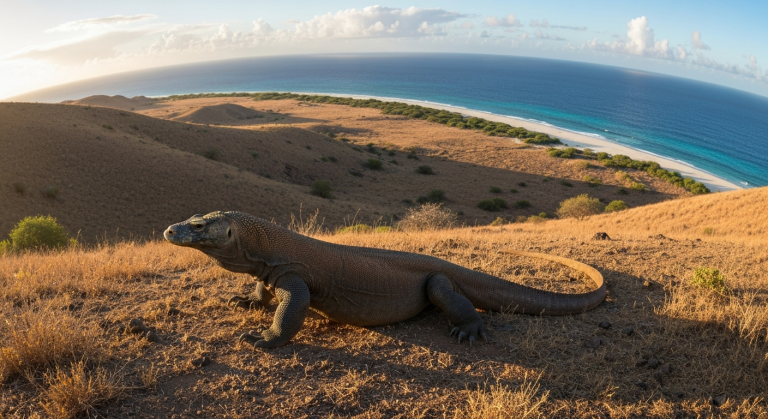
- Komodo Dragons (Land Tours): Komodo National Park (April-October).
Liveaboard vs. Resort: Matching Your 2026 Dive Format to the Season
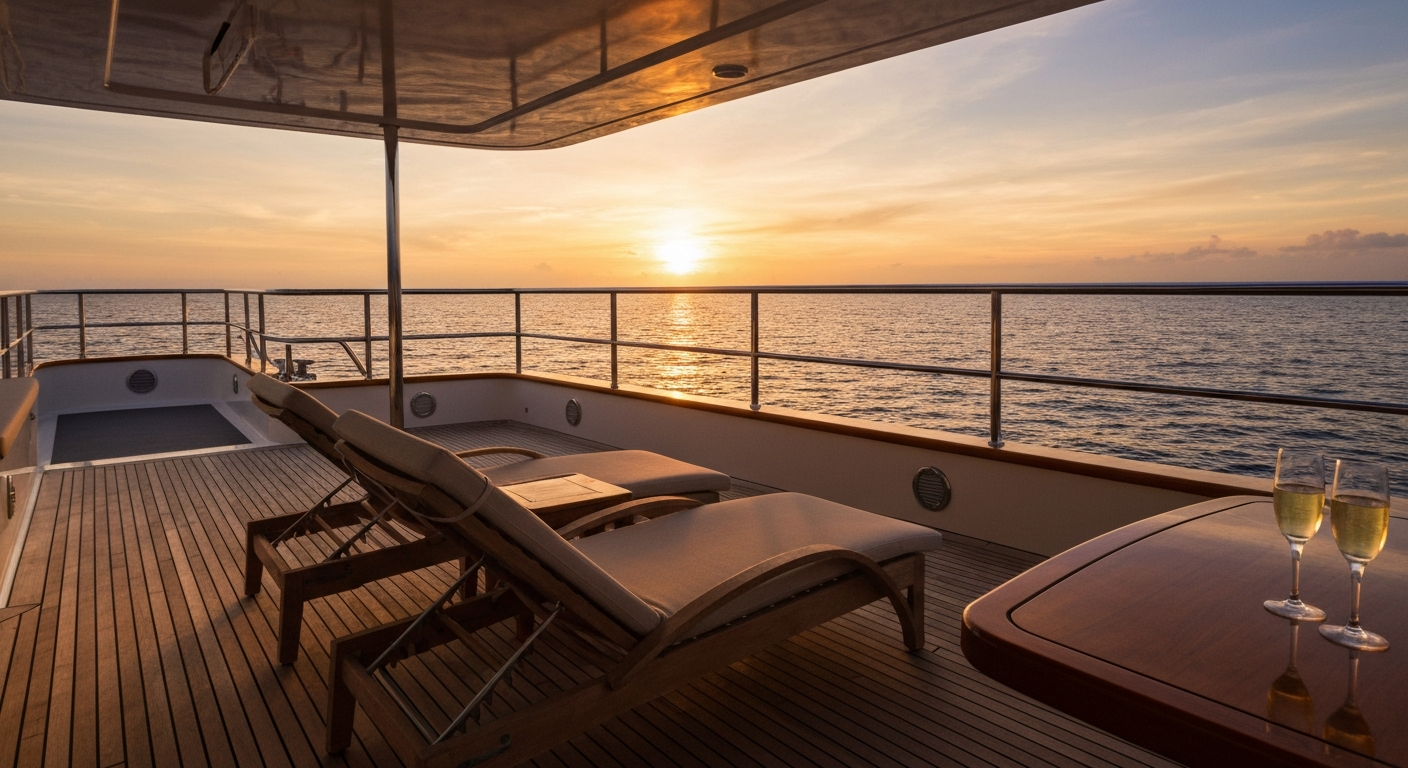
The choice between an Indonesia liveaboard dive trip and a resort stay often correlates with the dive season and desired destinations. Liveaboards are ideal for accessing remote areas like Raja Ampat, Komodo, and the Banda Sea, especially during their peak seasons when weather conditions are most favorable for extended sea travel. These trips typically range from 6 to 12 nights, with mid-range liveaboards costing between USD 2,200 and USD 4,500 for a 6-10 night itinerary.
Resort diving is more common in accessible areas such as Bali, Lembeh, and Bunaken. Resorts suit shorter trips, offer more land-based activities, and can accommodate mixed diver and non-diver groups. Entry-value resort packages start around USD 1,200 for 4-6 nights. Many liveaboards offer amenities like air-conditioned cabins, ensuite bathrooms, dedicated camera stations, and Nitrox for certified divers, enhancing the experience for serious divers.
When considering an Indonesia diving liveaboard vs resort, evaluate boat quality, cabin comfort, and the operator’s safety record. Your skill level also matters; some liveaboard itineraries to Komodo or Raja Ampat require advanced certifications due to strong currents.
Planning Your 2026 Indonesia Dive Trip Logistics and Budget
Effective planning for your Indonesia dive trip involves considering logistics and budget early in 2026. The total all-in cost for an Indonesia liveaboard dive trip can range significantly. Entry/value trips, often 4-6 nights in areas like Bali or Bunaken, start at USD 1,200–2,000 per person. Mid-range options, including Raja Ampat or Komodo liveaboards for 6-10 nights, typically fall between USD 2,200–4,500.
Luxury experiences, such as boutique yacht charters for 7-12 nights, can exceed USD 5,000–12,000+. These prices usually include liveaboard costs, park fees, domestic flights within Indonesia, gear rental, and airport transfers. A 10-day Indonesia dive trip itinerary often requires multiple domestic flights, increasing transit complexity but opening access to remote, pristine dive sites. Beginners can find suitable trips in calmer areas like Amed or Bunaken, while advanced divers will appreciate the challenging currents and pelagic action of Komodo and Raja Ampat.
Selecting the optimal season for your Indonesia dive trip in 2026 is key to maximizing your experience. The country’s immense marine diversity means phenomenal diving is available year-round, but specific regions and marine encounters are highly seasonal. Careful planning around these windows ensures the best visibility, calmest seas, and highest probability of encountering your desired marine life. From the Mola Mola of Nusa Penida to the hammerheads of the Banda Sea, each season offers unique highlights.
To discuss your preferences and explore tailored itineraries for your 2026 adventure, contact us today. Our team can provide expert guidance on the best times and destinations to suit your diving goals and budget.