Best Time for Your Indonesia Dive Trip in 2026
Planning an Indonesia dive trip for 2026 requires understanding the archipelago’s distinct seasonal variations. Indonesia, spanning over 17,500 islands, experiences two primary seasons: a dry season and a wet season. The dry season typically runs from May to September, offering calm seas and optimal visibility across many popular dive regions. Conversely, the wet season, from October to April, can bring increased rainfall and stronger currents in some areas, though certain destinations remain excellent for diving year-round, as detailed by Wikipedia’s climate overview. Choosing the right month ensures access to specific marine life and favorable surface conditions for your itinerary.
Understanding Indonesia’s Diverse Dive Seasons
Indonesia’s vast geographical spread means its dive seasons are not uniform across all regions. The general dry season, from May to September, brings clear skies and calm waters to much of the central and eastern parts, including Komodo National Park. During these months, water temperatures average 26-28°C, with visibility often exceeding 25 meters. The wet season, from October to April, impacts western regions like Bali more significantly, with higher rainfall and occasional swells. However, during these same months, Raja Ampat experiences its prime diving conditions, demonstrating the localized nature of Indonesia’s climate.
Divers planning their Indonesia dive trip in 2026 must consider these regional differences. Specific areas offer unique advantages depending on the time of year. For instance, while some areas might see lower visibility due to run-off during the wet season, others benefit from increased plankton blooms, attracting large pelagics. Monitoring local weather patterns closer to your travel dates provides the most accurate forecast for specific destinations.
Peak Dive Windows for Key Destinations
Each major Indonesian dive destination offers unique experiences best accessed during specific periods. Understanding these peak windows helps maximize marine life encounters and optimize surface conditions.
Raja Ampat: October to April
Raja Ampat, located in West Papua, is globally recognized for its unparalleled marine biodiversity. The optimal period for a Raja Ampat dive trip in 2026 runs from October through April. During these months, the seas are typically calm, and visibility ranges from 15 to 30 meters. Water temperatures consistently stay between 28-30°C. This region boasts over 1,500 fish species and 75% of the world’s coral species, according to UNESCO’s tentative list for Raja Ampat. A 7-day liveaboard trip often includes over 20 dives targeting sites like Misool, Dampier Strait, and Wayag. Liveaboard options, such as the Scuba Junkie Raja Ampat liveaboard 2026, offer packages starting around USD 3,150 for 7D6N twin ensuite cabins, focusing on the prime season.
Komodo National Park: April to December
Komodo National Park, a UNESCO World Heritage site, provides excellent diving conditions for most of the year. The best time for a Komodo dive trip 2026 liveaboard extends from April to December. During this period, surface conditions are generally calm, and visibility can reach 20-30 meters. Water temperatures average 26-28°C in the south and 28-30°C in the north. The park is famous for its Komodo dragons, manta rays, and strong currents that attract pelagic species. Park fees typically range from USD 20-30 per day for foreign tourists. A typical 7-day liveaboard itinerary covers North, Central, and South Komodo, offering diverse dive sites.
Bali & Nusa Penida: April to October
Bali serves as a popular entry point for many divers, and its adjacent island, Nusa Penida, is renowned for specific marine encounters. The prime time for a Bali dive trip package 2026, including Nusa Penida, is from April to October. This dry season offers calm seas and water temperatures of 26-29°C. Visibility around Nusa Penida averages 15-25 meters. From July to October, divers frequently encounter Mola Mola (oceanic sunfish) at sites like Crystal Bay. Manta rays are present year-round at Manta Point, but conditions are best during the dry season for a Nusa Penida dive trip manta rays focus. Dive packages often combine resort stays in Candidasa or Sanur with day trips to Nusa Penida or multi-day liveaboards around the Nusa islands.
Banda Sea & Forgotten Islands: September to November, April to May
The remote Banda Sea and Forgotten Islands offer seasonal diving opportunities for advanced divers. This region is known for its schooling hammerhead sharks and pristine coral reefs. The two optimal windows are September to November and April to May. Outside these months, strong winds and rough seas make access challenging. Visibility frequently exceeds 30 meters, with water temperatures around 27-29°C. These trips are almost exclusively liveaboard-based, lasting 10-14 nights, covering vast distances across hundreds of islands. These specific seasons align with pelagic migration patterns, offering a chance to encounter larger marine species.
Lembeh Strait: April to October (and year-round)
Lembeh Strait, off North Sulawesi, is globally acclaimed for its muck diving and macro photography opportunities. While good year-round, the dry season from April to October offers the calmest surface conditions. Visibility typically ranges from 8 to 15 meters, as the rich volcanic sediment creates a unique environment for rare critters. Water temperatures hold steady at 27-29°C. The strait hosts over 40 known dive sites, each teeming with endemic species like the hairy frogfish, mimic octopus, and pygmy seahorses. Resorts in Lembeh offer daily boat dives, making it accessible for divers focused on macro photography.
Choosing Your Dive Format: Liveaboard vs. Resort
When planning an Indonesia dive trip in 2026, selecting the right dive format significantly impacts the experience and logistics. The choice between a liveaboard and a resort stay depends on priorities like remote access, daily dive volume, and land activities.
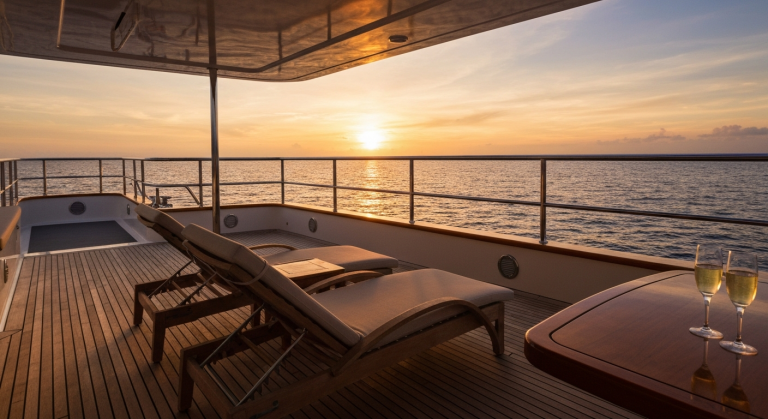
Liveaboards offer unparalleled access to remote dive sites, particularly in regions like Raja Ampat, Komodo, and the Banda Sea. They allow for multiple dives daily, often 3-4, without repeated boat transfers from a fixed base. Liveaboard costs for a mid-range Komodo or Raja Ampat trip typically range from USD 2,200–4,500 for 6-10 nights, including accommodation, meals, and multiple dives. These vessels feature dedicated camera stations, nitrox availability, and experienced guides. This format suits divers prioritizing maximum time underwater and exploring diverse, often distant, sites.
Resort-based diving provides flexibility and integrates land activities. Destinations like Bali, Lembeh, and Bunaken offer numerous dive resorts. An entry-value resort package, often 4-6 nights with 4-10 dives, can range from USD 1,200–2,000. Resorts suit those who prefer daily return to land, desire more personal space, or travel with non-diving companions. They also offer opportunities for cultural excursions, spa treatments, or other land-based exploration. The choice often comes down to the desired balance between diving intensity and overall travel experience.
Budgeting Your Indonesia Dive Trip in 2026
Understanding the cost implications is crucial for planning an Indonesia dive trip price per person. Prices vary significantly based on destination, duration, and the level of luxury chosen. Foreign tourists typically allocate budgets within three main tiers for 2026 dive holidays.
An entry-tier budget, ranging from USD 1,200–2,000, covers 4-6 nights. This usually includes resort-based diving in areas like Bali, Amed, Tulamben, Bunaken, or Lembeh. This segment may also include simpler cabin liveaboards for shorter durations. It typically includes accommodation, dives, and some meals, but often excludes domestic flights and park fees.
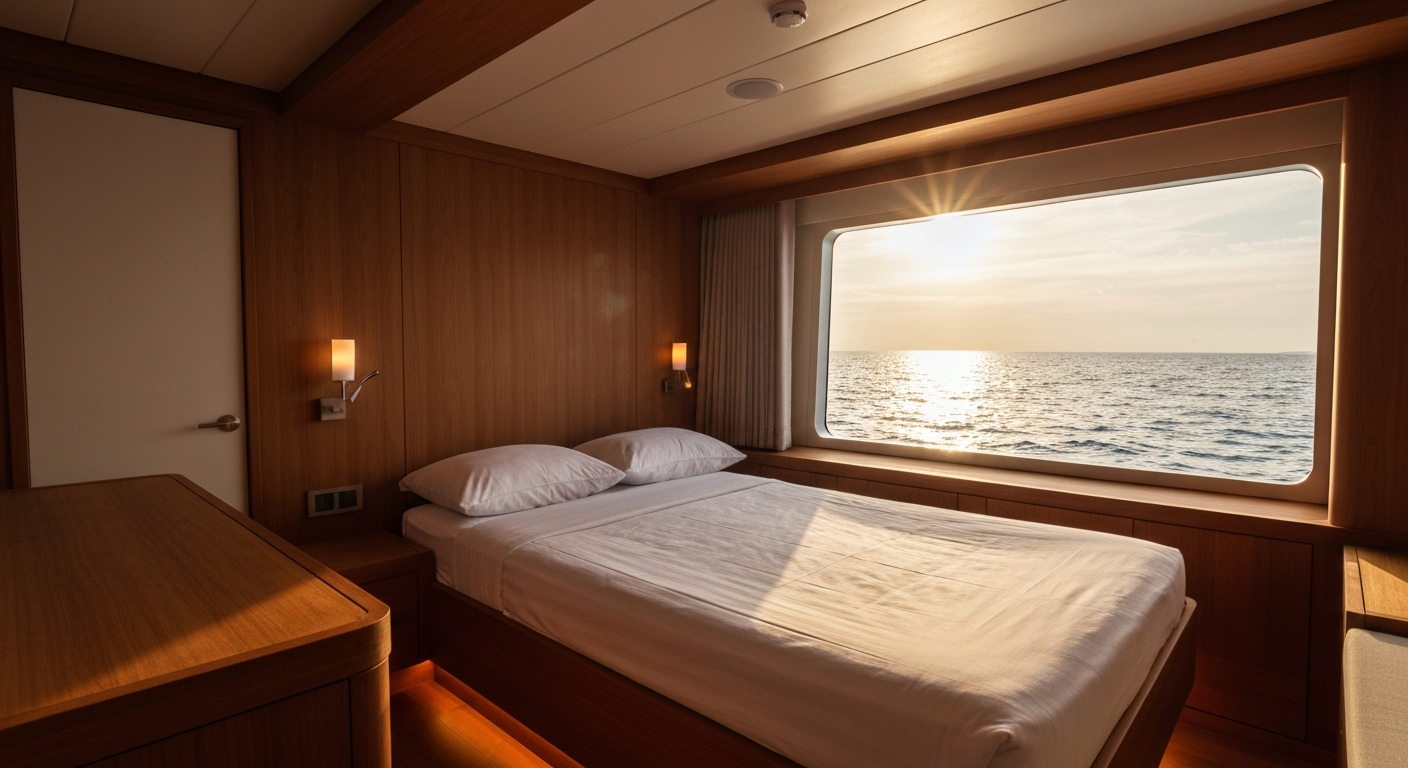
The mid-range budget, between USD 2,200–4,500, is the most common for 6-10 nights. This band typically includes Komodo or Raja Ampat shared liveaboards, providing 10-20 dives. Comfortable resort packages with some transfers and meals also fall into this category. For example, a Scuba Junkie Raja Ampat liveaboard 2026 for 7D6N is benchmarked at USD 3,150 for a twin ensuite cabin. This segment offers a balance of comfort and access to prime dive sites.
Luxury options, starting from USD 5,000 and extending beyond USD 12,000, cater to 7-12 nights. This tier involves boutique liveaboards, private yacht charters, or high-end private cabins. Premium services include gourmet food, nitrox, dedicated transfers, and advanced camera support. Destinations like Raja Ampat, the Banda Sea, and remote eastern Indonesia are common for luxury itineraries. These packages are often comprehensive, covering most expenses from domestic flights to park fees and gear rental.
Tailoring Your Trip to Skill Level and Interests
Indonesia offers dive experiences for every skill level, from beginners to highly experienced divers. Matching your certification and comfort level with the right destination ensures a safe and enjoyable trip.
For an Indonesia dive trip for beginners, destinations like Bali (e.g., Amed, Tulamben), the Gili Islands, and some calmer sections of Komodo National Park are ideal. These areas feature gentle currents, shallow reefs, and clear visibility, perfect for Open Water certified divers. Instructors are widely available for guided dives and further training.
Advanced divers seeking challenging conditions and specific pelagic encounters find their match in areas like Raja Ampat, the strong current zones of Komodo, and the remote Banda Sea. These locations demand experience with drift diving, deep diving, and navigating dynamic underwater environments. Certification levels like Advanced Open Water and Nitrox are often recommended or required.
Divers with specific marine life interests also find tailored options. For an Indonesia dive trip with manta rays, Nusa Penida and Komodo National Park offer consistent encounters. Mola Mola (oceanic sunfish) are seasonally present around Nusa Penida, primarily from July to October. Schooling hammerhead sharks are a highlight in the Banda Sea during its specific migration windows in autumn and spring. Lembeh Strait focuses on macro life, attracting photographers seeking rare critters.
Key Considerations for Your 2026 Dive Trip
Careful planning ensures a rewarding Indonesia dive trip. Evaluate these factors when finalizing your itinerary:
- **Best Season / Weather Window**: Research specific monthly conditions for your chosen destination. For example, consider an Indonesia dive trip in December for Raja Ampat, or an Indonesia dive trip in July for Bali and Komodo.
- **Marine Life Highlights**: Identify primary interests, such as manta rays, Mola Mola, hammerheads, or macro subjects, to align with destination and seasonal timing.
- **Boat Quality (for liveaboards)**: Assess cabin amenities (AC, ensuite), nitrox availability, camera facilities, and safety protocols.
- **Route Logistics**: Plan domestic flights, transit complexity, and airport pickups. Indonesia’s size means internal travel can be extensive.
- **Total All-in Cost**: Account for liveaboard or resort price, park fees, domestic flights, gear rental, and transfers. This impacts the Indonesia scuba liveaboard cost.
- **Skill Level Required**: Confirm minimum logged dives, current experience, and specific certifications needed for advanced sites.
- **Trust Signals**: Review operator age, licensing, insurance, and cancellation policies. Check independent reviews.
- **Trip Length**: Determine a suitable duration. A 10 day Indonesia dive trip itinerary offers a good balance for exploring key regions.
Planning your Indonesia dive trip for 2026 involves balancing seasonal conditions with your preferred destinations, budget, and diving interests. Whether you seek the biodiversity of Raja Ampat during its peak season from October to April, the pelagic encounters of Komodo from April to December, or the manta rays of Nusa Penida during the dry season, detailed research is essential. Understanding the differences between liveaboard and resort options, along with the associated costs, allows for informed decisions. By considering these elements, divers can secure a well-suited itinerary. Explore our various Raja Ampat liveaboards and Komodo dive packages to begin planning, or contact us for a personalized consultation.