Planning Your First Indonesia Dive Trip as a Beginner
Indonesia offers a world-renowned destination for scuba diving, attracting millions of visitors annually due to its position within the Coral Triangle. This region hosts the highest biodiversity of marine life on Earth, with over 3,000 fish species and 76% of the world’s coral species recorded here. First-time divers find Indonesia particularly appealing because many sites feature calm conditions, excellent visibility, and structured training opportunities. The Indonesian Ministry of Tourism and Creative Economy actively promotes sustainable dive tourism across its archipelago of over 17,000 islands, making it a reliable choice for beginners seeking safe and impactful underwater experiences [indonesia.travel](https://www.indonesia.travel/gb/en/home).
Choosing Your Beginner-Friendly Dive Destination in Indonesia
Selecting the right location is crucial for a positive first dive trip. Bali, particularly the areas of Amed and Tulamben, provides accessible shore diving and shallow reefs suitable for Open Water certification. The famous USS Liberty wreck in Tulamben begins at just 5 meters depth, allowing beginners safe exploration. Daily boat trips from Sanur or Padang Bai also access Nusa Penida, where northern sites like Crystal Bay (avoiding strong currents) offer calm conditions for observing manta rays and diverse reef fish.
The Gili Islands, off Lombok, present another excellent choice for novice divers. Gili Trawangan, Meno, and Air feature numerous dive schools and gentle currents, ideal for skill development. Water temperatures typically range from 26-29°C year-round, making 3mm wetsuits comfortable. Bunaken National Park in North Sulawesi, while known for its dramatic walls, also includes sheltered areas with vibrant coral gardens starting at shallow depths, offering visibility often exceeding 25 meters. Lembeh Strait, adjacent to Bunaken, specializes in muck diving for macro enthusiasts, requiring good buoyancy but generally calm conditions.
Understanding Dive Certifications and Courses for Beginners
Beginners typically start with a Discover Scuba Diving (DSD) experience or the full Open Water (OW) Diver certification. A DSD session lasts half a day and involves basic skills in shallow water, followed by a guided dive to a maximum depth of 12 meters. This option serves as an introduction without full certification.
The PADI or SSI Open Water Diver course certifies individuals to dive independently with a buddy to a maximum depth of 18 meters. This course usually spans 3-4 days, encompassing academic theory, confined water skill practice, and four open water training dives. Course costs in Indonesia generally range from USD 400 to USD 600, often including equipment rental and certification fees. Some travelers opt for a referral course, completing academic and confined water portions at home, then finishing their four open water dives in Indonesia, saving vacation time.
Resort vs. Liveaboard: What’s Best for a First Trip?
Deciding between a resort-based dive holiday and a liveaboard determines your daily routine and access to dive sites. Resort packages, common in Bali, Bunaken, or the Gili Islands, typically offer 4-6 nights of accommodation, 4-10 dives, and flexible daily schedules. These are ideal for beginners who prefer land-based amenities, non-diving activities, and the option to dine at various restaurants. Entry-level resort packages in 2026 cost approximately USD 1,200–2,000 per person.
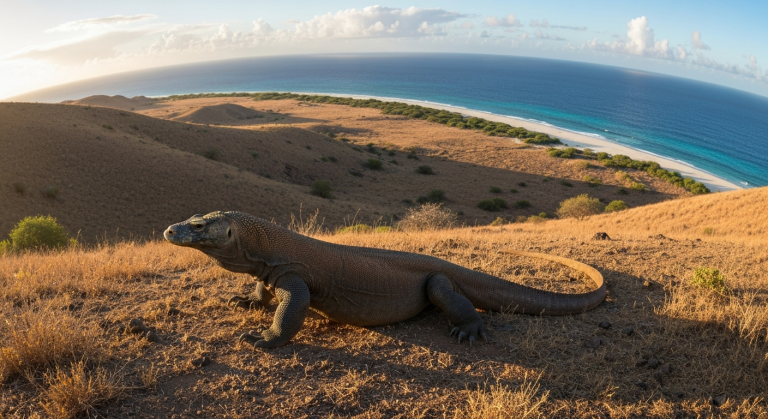
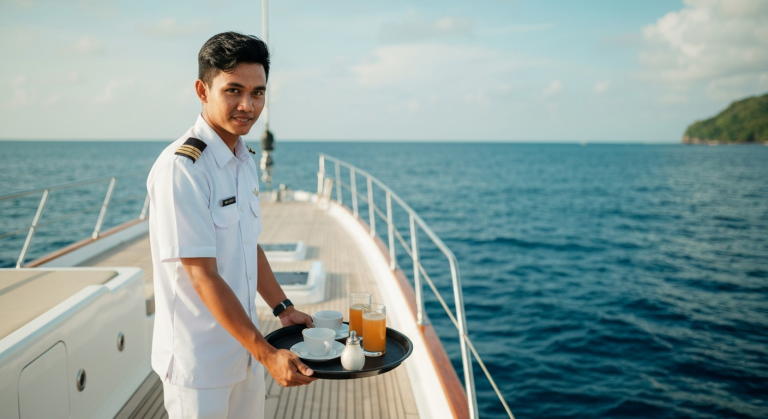
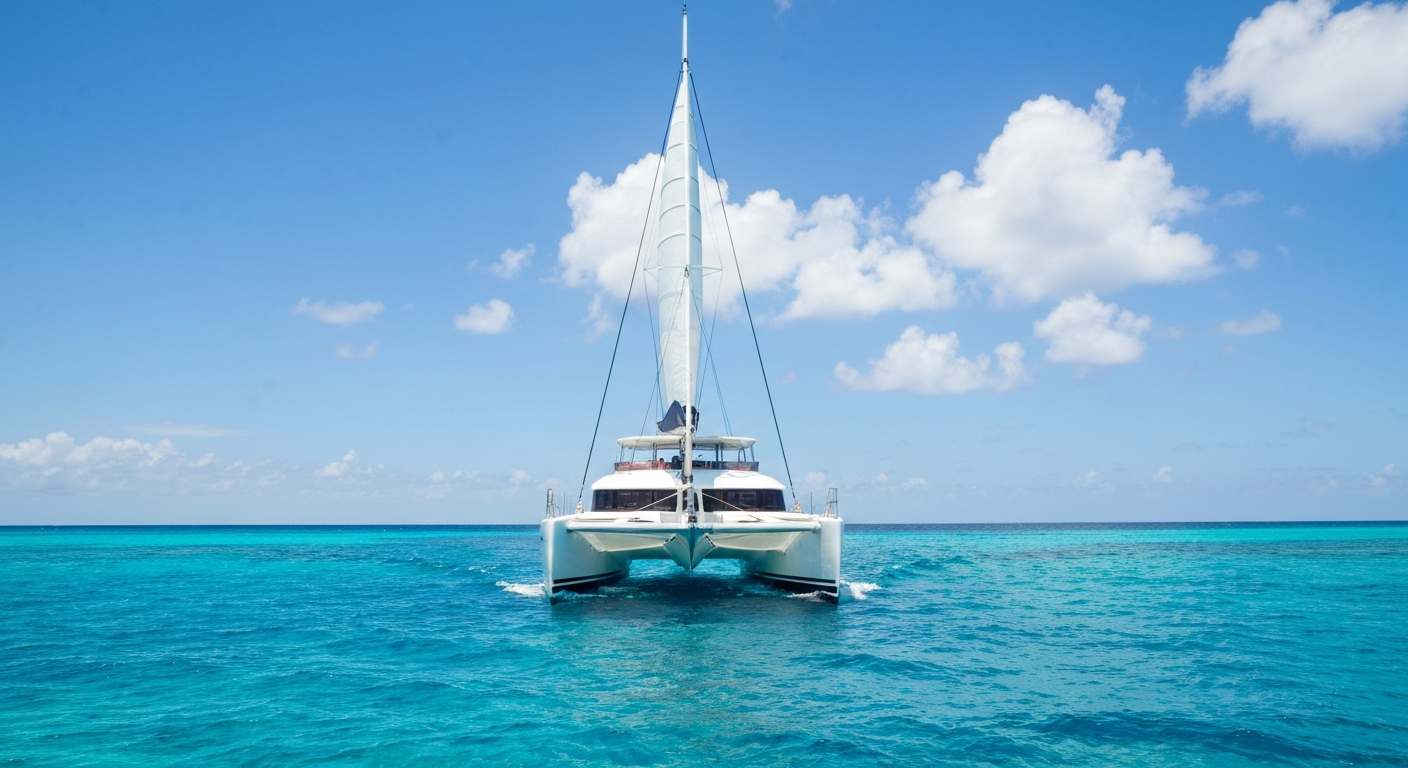
Liveaboards, while often associated with advanced divers, increasingly cater to beginners on specific itineraries. These multi-day boat trips, usually 6-10 nights, provide access to more remote dive sites like those in Komodo National Park or Raja Ampat. A mid-range Komodo liveaboard for 7 days might cost USD 2,200–4,500 per person in 2026, including 10-20 dives, accommodation, and most meals. While liveaboards offer efficiency and immersion, beginners should ensure the boat operator explicitly supports novice divers with suitable dive guides and conditions. Comparing liveaboard and resort options further details these choices.
Budgeting Your Indonesia Dive Trip (2026)
A realistic budget for a beginner’s Indonesia dive trip in 2026 typically falls into the entry to mid-range categories. An entry-level package, costing USD 1,200–2,000 per person, usually covers 4-6 nights in a budget resort or simple liveaboard, primarily in Bali, Amed, Bunaken, or Lembeh. This band often includes 4-10 dives, basic accommodation, and some meals. It generally excludes international flights and often domestic transfers.
Mid-range options, priced at USD 2,200–4,500 per person, provide 6-10 nights of diving, often on a Komodo or Raja Ampat liveaboard, or a comfortable resort package with domestic flights. These packages frequently include 10-20 dives, better accommodation, all meals, and sometimes park fees. For example, a 7-day/6-night liveaboard in Raja Ampat starts around USD 3,150 per person for a twin ensuite cabin in 2026, according to current market benchmarks. Remember to factor in personal expenses, gear rental (if not included), and travel insurance, which can add 10-15% to the base cost.
Best Time to Dive Indonesia for Beginners
Indonesia experiences two primary seasons: a dry season and a wet (monsoon) season, which vary slightly by region. The dry season, running from May to September, generally offers the calmest seas and best visibility across most of the archipelago, including popular beginner destinations like Bali, Komodo, and the Gili Islands. Water temperatures average 27-30°C during these months, making for comfortable diving conditions. This period aligns well with peak summer travel from Europe and North America.
Specific regions have unique windows. For instance, Bali’s dry season from April to October provides excellent conditions for sites like Amed and Tulamben. Komodo National Park also benefits from the dry season, with calmer waters and high chances of spotting pelagic species. While the wet season (October to April) brings rain, many dive sites remain accessible, particularly those in sheltered bays. Visibility might decrease slightly, but marine life remains abundant. Detailed monthly guides provide further seasonal insights.
Essential Gear and Packing for Beginners
Packing for your first Indonesia dive trip involves balancing essentials with practicalities. Most dive centers offer full gear rental, which is advisable for beginners before investing in personal equipment. Essential items include a mask, snorkel, fins, BCD (buoyancy control device), regulator, and wetsuit. Given water temperatures typically range from 26-30°C, a 3mm shorty or full-length wetsuit provides sufficient thermal protection and sun defense.
Beyond dive gear, pack reef-safe sunscreen to protect Indonesia’s delicate coral ecosystems. A wide-brimmed hat, sunglasses, and lightweight, quick-drying clothing are practical for surface intervals. Consider bringing a logbook to record your dives and a basic first-aid kit. Travel adapters for Type C/F sockets are necessary for electronics, as Indonesia uses 220V power. Having a waterproof dry bag for boat trips also proves highly useful for protecting valuables.
Top 7 Tips for Your First Indonesia Dive Trip as a Beginner
Planning your initial dive experience requires practical preparation to maximize safety and enjoyment. Follow these tips:
- **Complete Your Open Water Certification Beforehand:** Finishing the theory and confined water sections at home or the entire course before your trip saves valuable vacation time and reduces stress.
- **Choose a Reputable Dive Center:** Research operators with strong safety records, certified instructors, and well-maintained equipment. Look for PADI 5-star Dive Centers or SSI Diamond Dive Centers.
- **Start with Easier Dive Sites:** Opt for locations known for calm conditions and minimal currents, such as Amed in Bali or sheltered bays in the Gili Islands, to build confidence.
- **Rent Gear Initially:** Avoid the upfront expense of buying full equipment. Most dive centers offer modern, well-maintained rental gear suitable for beginners.
- **Listen to Your Instructor and Dive Guide:** Pay close attention to briefings, follow all instructions, and communicate any discomfort or issues immediately.
- **Practice Buoyancy Control:** Good buoyancy is fundamental for safety and protecting marine life. Dedicate time to practicing hovering and maintaining neutral buoyancy.
- **Secure Travel Insurance with Dive Coverage:** Ensure your travel insurance policy specifically covers scuba diving activities, including potential medical emergencies and evacuation, up to your certified depth.
Indonesia provides an unparalleled setting for beginners to discover the underwater world, offering diverse marine ecosystems and professional dive training facilities. With careful planning, a clear understanding of certification options, and an informed choice of destination, your first Indonesia dive trip promises to be both safe and memorable. Explore our curated Bali dive packages or investigate Komodo liveaboard tours designed to welcome new divers. Contact us today to tailor your ideal beginner dive adventure.